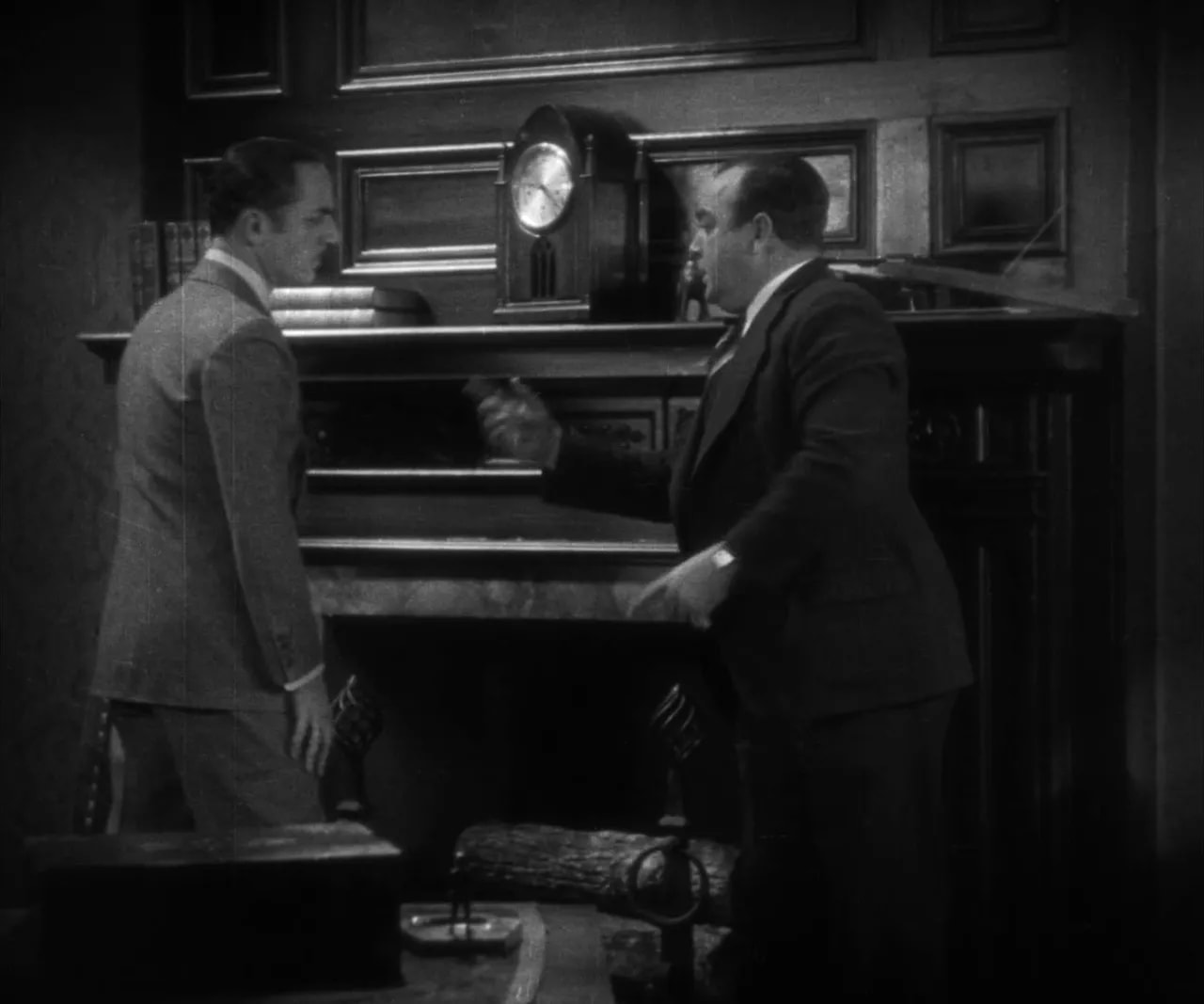
film noir movie is a phrase that conjures cigarette smoke, chiaroscuro lighting, and cynical city streets. It also invites a look back at the earlier mysteries that fed into its vocabulary. Few early talkies fuse polished detective work, family melodrama, and theatrical menace as neatly as The Greene Murder Case. Released in 1929, directed by Frank Tuttle and starring William Powell as Philo Vance, this film reads like a missing link between glossy 1920s detective fiction and the darker sensibilities that would later be labeled film noir movie. The Greene Murder Case is, at once, a polished whodunit and a document of transitional cinema: a pre‑Code picture that anticipates later mood and technique.
Why revisit The Greene Murder Case?
This film is not merely a period curiosity. It is a compact exercise in plotting and atmosphere, and it invites an experienced viewer to trace how detective stories evolved on screen. The Greene Murder Case shows a reputable studio—Paramount Pictures—investing in a literary property by S.S. Van Dine and turning it into a glossy, paced feature. For students of the film noir movie lineage, it offers early examples of the tropes that would harden in the 1940s: familial rot, social paranoia, contrived inheritances, and a protagonist who relies on intellect rather than brute force.
From a historical perspective the film is notable in several ways. It represents William Powell’s second outing as the erudite Philo Vance, and it situates Jean Arthur and Florence Eldridge opposite him within a claustrophobic family drama. The film runs 69 minutes, a tight runtime that forces concentration; every scene is a brick in the construction of a puzzle.
Quick facts
- Director: Frank Tuttle
- Screenplay: Louise Long (with intertitles for the silent version by Richard H. Digges Jr.)
- Based on: The Greene Murder Case (1928 novel) by S.S. Van Dine
- Produced by: B. P. Schulberg
- Starring: William Powell (Philo Vance), Florence Eldridge (Sibella Greene), Jean Arthur (Ada Greene)
- Released: August 11, 1929
- Runtime: 69 minutes
- Notable: Remade in 1937 as Night of Mystery
Plot distilled: greed, will clauses, and quiet deaths
The Greene family meets annually to satisfy the terms of a patriarch’s will. The will demands that the adult children live together for fifteen years after the death of Tobias Greene. The arrangement rigs the household with tension: resentful siblings, a paralyzed matriarch who may not be as helpless as she seems, an excluded adopted daughter, and servants with their own private grievances.
The murders begin as though carved from an old detective serial. Chester Greene is found dead; a sister, Ada, is discovered wounded. The police suspect robbery. Philo Vance, the cultured amateur detective, sees a pattern that is not merely opportunistic crime. He listens to an economy of clues—telephone extensions, snowed‑over footprints, a locked library, missing galoshes, and a curious bequest of the library to the police department—that together point to a very deliberate assault on the family.
The investigation spirals into the household’s private life: jealousy over affairs, half‑revealed parentage, and a family history of dubious business. As Vance assembles motive and means he stumbles upon a library of criminological texts—books that offer the methods later appropriated by the murderer. The reveal is classic: meticulous physical evidence, a staged suicide, and a murderer whose profile blends psychological fixation with technical cunning.
Performances: Powell, Arthur, and Eldridge
William Powell as Philo Vance is a study in cultivated calm. The character is an intellectual detective—witty, urbane, and precise. Powell’s performance reads like a template for later, more world‑weary sleuths, but he retains a social ease and playfulness that keeps the film buoyant even when the plot turns grim. His line readings and measured gestures make Philo Vance feel both superior and sympathetic: the ideal vehicle for a detective who solves puzzles through deduction rather than force.
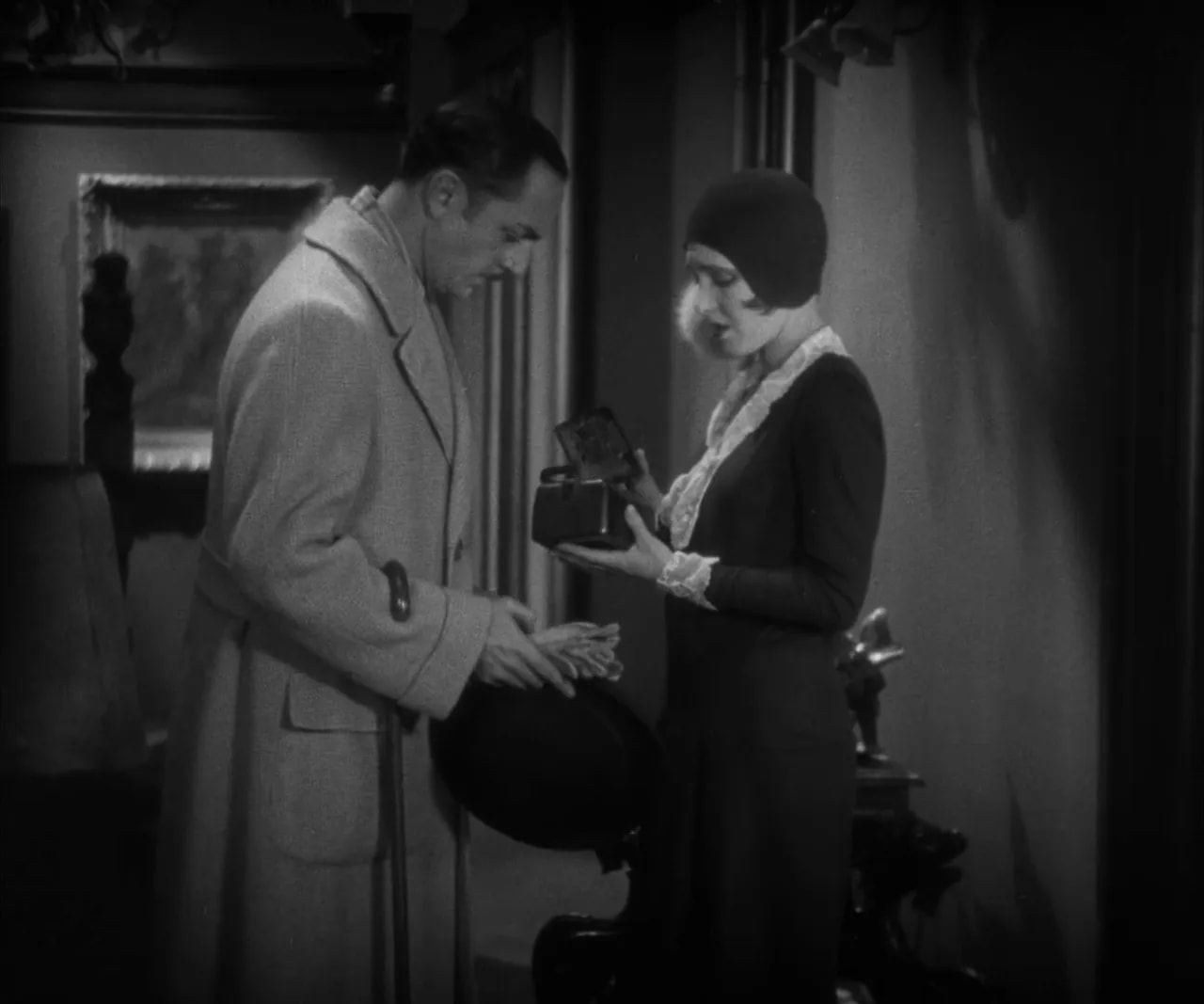
Jean Arthur’s Ada is the film’s emotional center. The adopted daughter is mistreated, overshadowed, and repeatedly suspected. Arthur brings a restrained vulnerability that makes Ada both sympathetic and ambiguous. Her portrayal compels the viewer to bracket suspicion while still sensing the potential for dramatic agency. Florence Eldridge’s Sibella is colder, wounded by her own pride and liaisons. The contrast between Ada’s quiet endurance and Sibella’s brittle hauteur is essential to the film’s domestic drama.
Direction and production: economy of storytelling
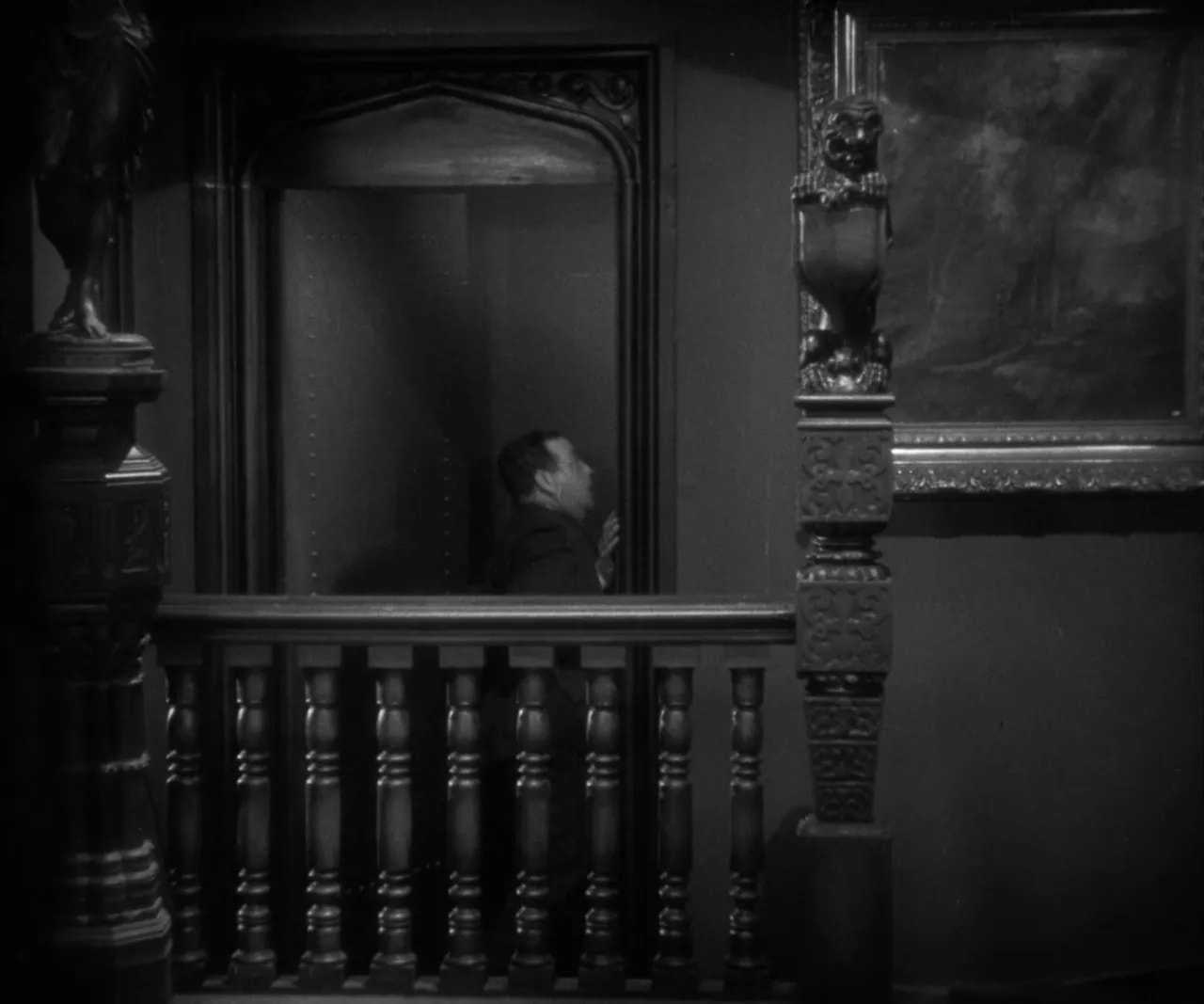
Director Frank Tuttle keeps the camera deliberate and unobtrusive. The Greene Murder Case depends on controlled staging and a clear chain of physical clues; Tuttle understands that too many visual flourishes would muddy the logic. The result is a film that feels like an elegantly mounted stage play adapted for the screen—a common and often successful approach in early sound cinema. The film’s cinematography by Henry W. Gerrard favors deep shadows where needed, but it seldom attempts the extreme stylization later associated with the film noir movie.
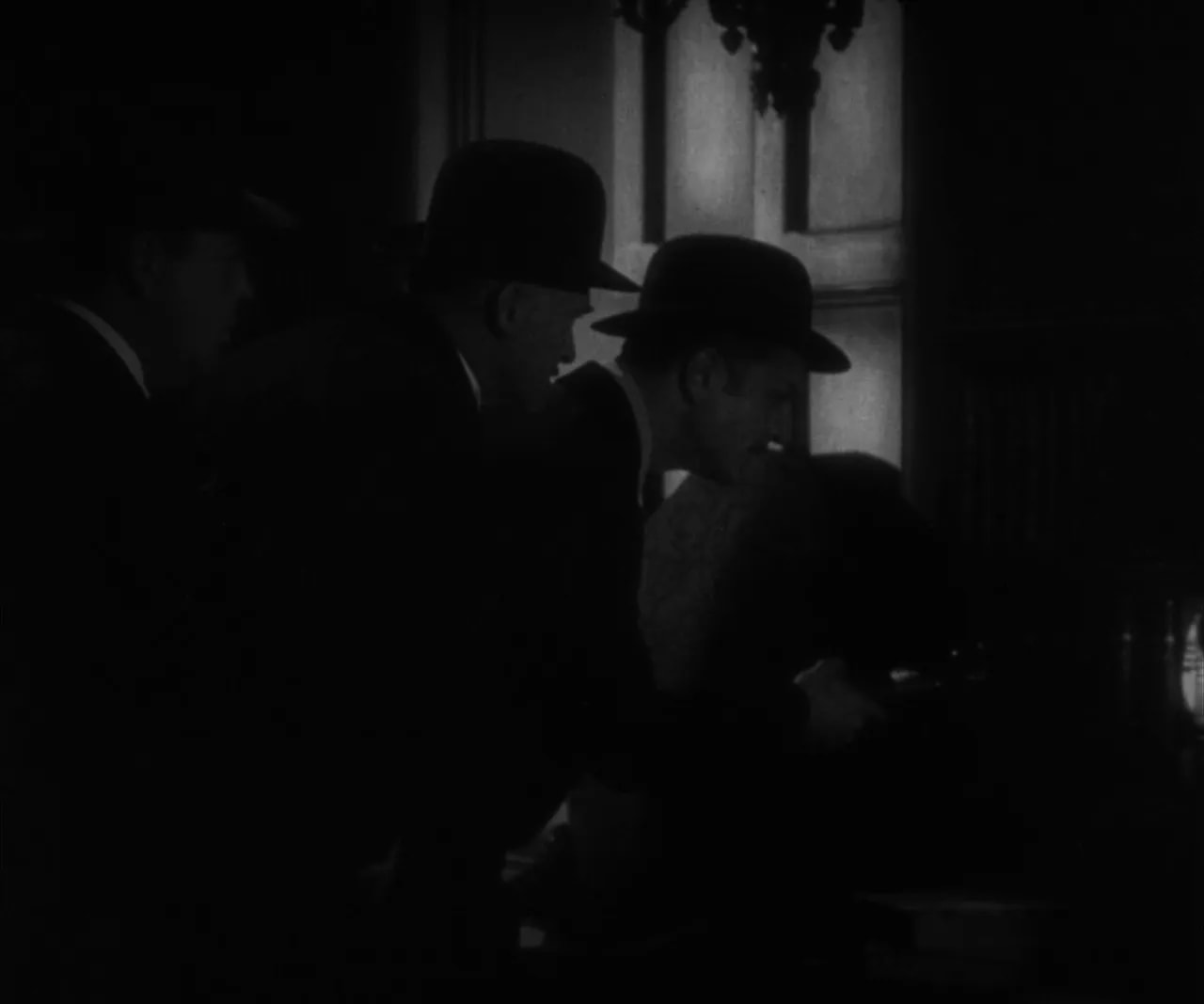
The production values are polished. Sets suggest wealth and rot; a once‑grand library, a private mailbox in an incense burner, and a roof garden that becomes the site of the final confrontation. The pacing is brisk—69 minutes leaves no time for indulgence—and the editing by Verna Willis keeps the momentum sharp and legalistic, like a cross‑examination.
The film’s narrative devices: ingenuity and imitation
There are two aspects of the screenplay that invite admiration. First is the assembly of procedural detail: footprints in the snow, telephone extension maps, missing galoshes, and the autopsy’s focus on leg musculature. Each item amplifies the sense of a closed circle of suspects. Second is the film’s self‑reflexive comment on the nature of criminality. The murderer turns to books—criminal histories and technical manuals—for methods. This metatextual point is crucial: it connects literary crime to actual crime and shows a murderer who learns technique from texts rather than improvising from passion.
Here, the film anticipates darker tendencies of the genre. A murderer who copies cases from criminology books suggests a pathology that is systematic and cold—an idea congenial to the fatalistic mood of later film noir movie narratives.
Key moments and visual beats
- The will scene: The opening establishes motive by exposing how the will traps the family together. This legal framing makes every domestic quarrel charged with economic stakes.
- The discovery of Chester: A sudden, intimate death that catalyzes investigation. The paradox of a close‑range shot with no cry is an early clue that the murderer relied on surprise and knowledge of the house.
- The library reveal: The books of criminology, the notched shelves, and the missing dust make it clear someone has been reading technical texts—this is the film’s key idea about learned criminality.
- The rooftop climax: The film’s final act uses vertiginous space: a roof garden and icy water below. It is theatrical and fatalistic, a competing echo of urban noir’s fatal endings even if it preserves earlier cinematic decorum.
The Greene Murder Case and the film noir movie genealogy
Calling The Greene Murder Case a film noir movie in the strict sense is historically anachronistic. Film noir as a named aesthetic belongs mostly to the 1940s and early 1950s. Yet as a critic one can trace certain thematic and tonal similarities. The Greene Murder Case explores family corruption, inheritance as motive, gendered culpability, and a kind of social claustrophobia that later noir filmmakers exploited in urban settings. Philo Vance’s deductive clarity is not noir pessimism; it is an attempt to restore order through reason. Still, the film’s obsession with disguised appearances, staged suicides, and the moral bankruptcy of the wealthy household signal a movement toward darker storytelling conventions.
Viewed this way, The Greene Murder Case can be read as a proto film noir movie—a picture that does not yet accept noir’s moral ambiguity but plants many of the seeds that would grow into that sensibility. The murderer’s reliance on criminological manuals is especially noirish: the idea that modern knowledge can be used to commit modern crimes, and that technique can replace motive as the center of narrative interest.
Technical ingenuity: traps, panels, and staged deaths
One of the film’s cleverest conceits is the hidden mechanism used to fire a gun inside the house. A secret panel, a string, and a well‑placed bootjack transform architecture into a trap. When the trigger is pulled by a mechanism rather than by human hand, the murder feels like an engineered inevitability—an idea familiar to noir audiences who later see engineered deaths in urban apartments or closed rooms. The Greene Murder Case stages these devices with pragmatic clarity. The camera lingers on objects—galoshes, a cord, an incense burner—so the spectator is invited into the detective’s reasoning.
Morality and motive: jealousy, inheritance, and family shame
At the core of the crime is a simple, corrosive motive: the promise of freedom through inheritance, coupled with a knot of jealousies and humiliations. The film foregrounds inherited illegitimacy and the consequences of social marginalization. Ada, adopted and excluded, becomes both scapegoat and suspect. The family’s private resentments intersect with social shame—rumors about parentage, suspected affairs—and the murderer uses those fractures.
The final explanation—that Ada herself trained in criminal technique through books, rehearsed a multipart plan, staged suicides and staged alarms—reads like a modern moral parable about education divorced from ethics. The murderer is not merely envious; she is a product of obsessive study and social grievance. That psychological profile—that knowledge plus resentment equals deadly action—feels modern and unsettling. It resonates with film noir movie themes where knowledge, desire, and desperation combine to fatal effect.
The screenplay and its faithfulness to S.S. Van Dine
Based on the 1928 novel by S.S. Van Dine (Willard Huntington Wright), the film reduces the book’s density into a lean cinematic statement. Van Dine’s novels were famous for their puzzles and for Philo Vance’s cerebral approach. The Greene Murder Case preserves that intellectualism: dialogue is often expository, and sequences are staged to reveal clues rather than emotion. Where the novel luxuriates in analysis, the film condenses analysis into prop‑driven scenes and pointed conversations.
The film’s faithfulness is not slavish; it adapts the material to the constraints of early talkies. The intertitles and occasional stagey line deliveries remind the viewer of theatrical origins, while the camera does its best to translate textual deduction into visual logic.
Remake and legacy
The Greene Murder Case was remade in 1937 as Night of Mystery. The existence of a remake reinforces the original story’s appeal: a tightly plotted mystery with a memorable detective, a compelling domestic setting, and a denouement that depends on technical ingenuity. Though the original 1929 film did not spawn a major series around Philo Vance at this studio, it contributed to a screen tradition of stylish detective pictures from which later noir movie directors would sometimes draw inspiration.
Why the film still matters
There are several reasons to return to this title. As an artifact of the late 1920s, it showcases early sound filmmaking at its cleverest: economy, clarity, and theatrical polish. As a demonstration of detective storytelling, it models how to translate puzzling prose into camera work. And as a cultural object, it records the anxieties of an era where inherited wealth, private shame, and technological ingenuity could combine into fatal outcomes.
If one is hunting for the roots of the film noir movie mood, The Greene Murder Case offers a productive waypoint. It does not carry noir’s full darkness, but it contains a number of premonitions: the world as a place where technique can be weaponized, where family ties become motives, and where the detective is the last repository of order.
Strengths and limitations
- Strengths: Tight plotting, strong central performance from William Powell, efficient direction, inventive murder mechanisms, and an intriguing metatext about criminology books as manuals for crime.
- Limitations: Theatrical dialogue and pacing that sometimes read as stagebound; an emotional register that privileges intellect over feeling, which may leave some modern viewers wanting more psychological depth; and historical distance—some scenes feel quaint compared with the later high drama of noir movie climaxes.
Notable lines and memorable imagery
The dialogue occasionally sparkles with wry observation: the house itself is lectured like a suspect. The film’s memorable visual choices include the locked library, the incense burner used as a private mailbox, and the roof garden where the final moral reckoning takes place. Those images linger like the motif of a film noir movie: a private landscape of secrets revealed under harsh light.
Viewing recommendations and context
For the contemporary cinephile or the student of noir movie history, view The Greene Murder Case as a hybrid: a detective melodrama that shows how crime narratives were staged on the verge of the talkie revolution. Watch for the following:
- How clues are introduced visually, and how the camera invites the spectator to be a fellow sleuth.
- William Powell’s technique: his control of tempo, his social polish, and his clear line readings that anticipate later screen detectives.
- The mise en scène of domestic wealth: how opulence is framed to reveal rot and motive.
- The manner in which criminal technique (books, mechanisms) substitutes for raw emotion—an idea that later noir films would explore in grimmer hues.
Final verdict
The Greene Murder Case is a worthwhile stop for anyone tracing the genealogies of crime cinema, especially those interested in how pre‑Code mystery films gestated the sensibilities later associated with the film noir movie. It is not a noir in the strictest sense, but it is a fertile ancestor: an intelligent, compact mystery that balances exposition with invention. The film rewards close attention. Its solutions and devices may seem deliberate, even theatrical, yet those same qualities make it a clean, methodical example of early mystery filmmaking.
As a piece of film history, it reminds us that American cinema’s fascination with private violence, moral decay, and the engineering of crime predates—and informs—the darker, more fatalistic stories that would later be called film noir movie. For viewers who enjoy detective puzzles, period atmosphere, and the clarity of old Hollywood craft, The Greene Murder Case remains a rewarding specimen: tidy, smart, and quietly unnerving.