
Describing Love Affair as a film noir movie would be a deliberate miscategorization, yet invoking the phrase film noir movie across a review of Leo McCarey’s 1939 romance highlights how cinematic labels can mislead as readily as they can clarify. Love Affair is quintessentially a romantic melodrama with comic cadence and improvisational verve. Still, discussing it in the register of a film noir movie—if only to insist it is not one—sheds light on how genre expectations shape critical reception and how the film’s tonal bifurcation resists rigid classification.
Outline
- Plot summary and narrative architecture
- Main performances and cast synthesis
- Leo McCarey's direction and the film's development history
- Script dynamics, improvisation, and Production Code controversies
- Music, songs, and how "Wishing" anchors the emotion
- Themes: romance, sacrifice, celebrity and moral judgment
- Critical reception, awards, and legacy—including how it stands apart from a film noir movie
- Remakes, adaptations, and availability
- Concluding critical appraisal
Plot summary and narrative architecture
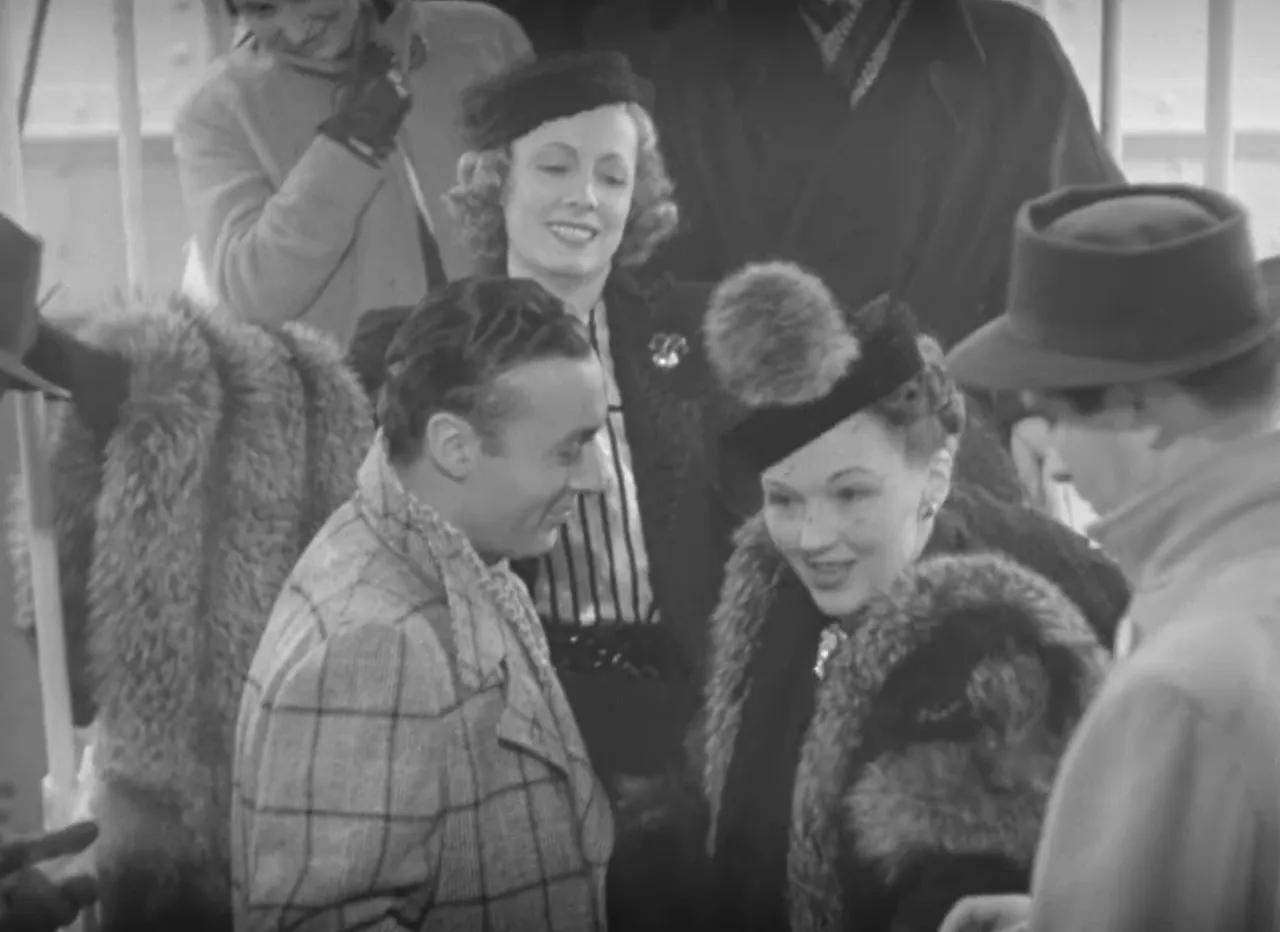
Love Affair opens aboard an ocean liner, where a superbly characterized French painter with a notorious reputation for womanizing, Michel Marnet, meets Terry McKay, an American nightclub singer. Their flirtation is playful, self-conscious and public. Both are engaged to others—Michel to heiress Lois Clarke, Terry to Kenneth Bradley—yet the heart of the film rests on the chemistry that erupts between them over the course of the transatlantic voyage.
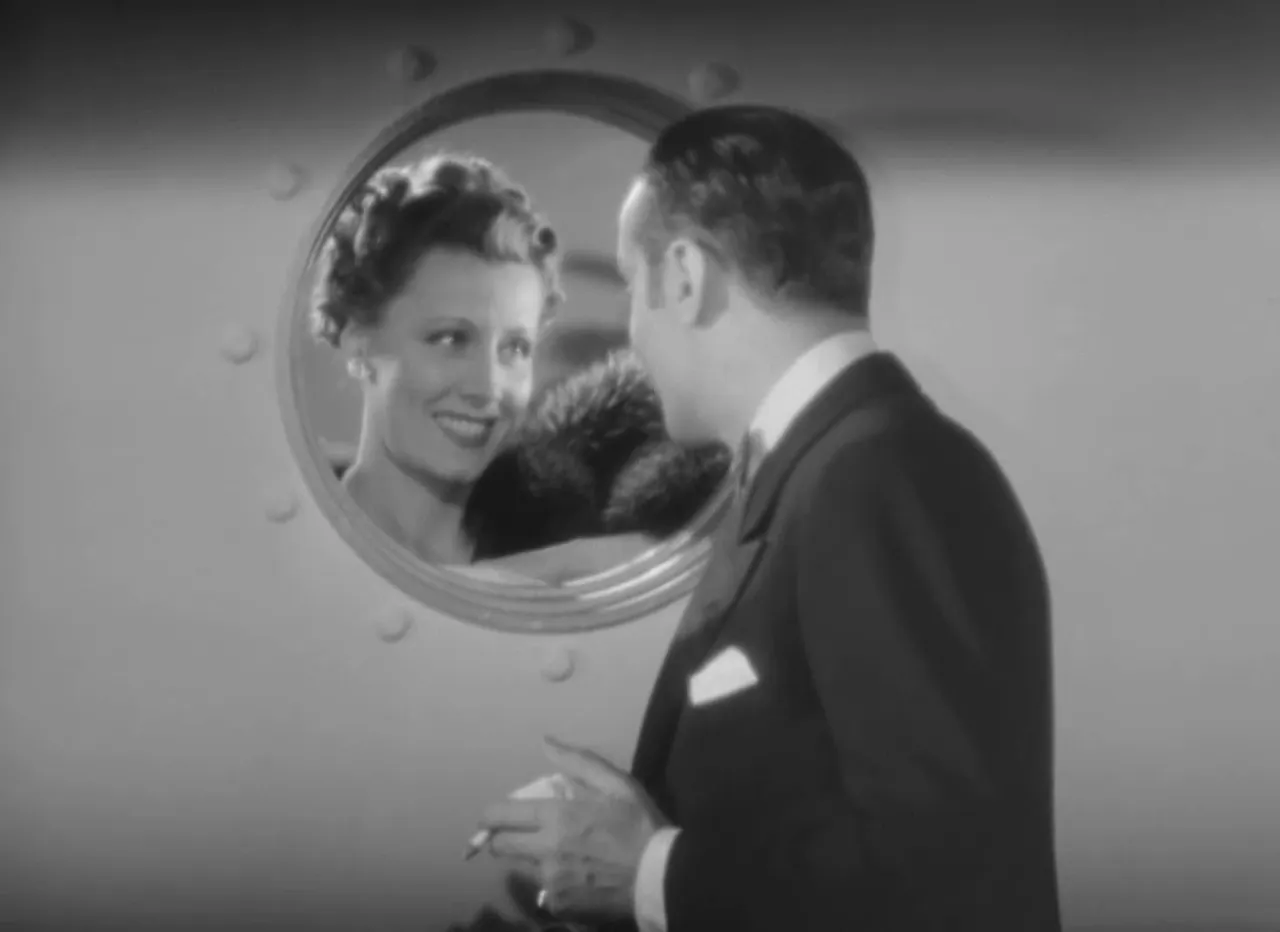
Their decision to avoid scandal by keeping separate social lives on the ship is a revealing narrative device. First, it establishes the ethics and social constraints of the era: fame and rumor must be contained, appearances maintained. Second, it sets up the key wager that structures the second act: an assignment of time and place that will test resolve and character. Michel and Terry agree to meet six months later at the top of the Empire State Building. The rendezvous functions as a promise, a test and a dramatic engine; it propels both their ambitions and their anxieties.
For six months, the narrative follows the practical difficulties of turning romantic desire into domestic possibility. Michel, an artist whose life has been lived on the advantageous blandishments of travel and reputation, must demonstrate he can support a life with Terry. He struggles to sell paintings, accepts commercial billboard work and endures financial frustration. Terry, by contrast, makes pragmatic decisions: she breaks off her engagement to Kenneth Bradley and secures steady employment in a Philadelphia nightclub. Their circumstances mirror one another in inverse ways: Michel must prove he can be anchored; Terry must show she can be independent.
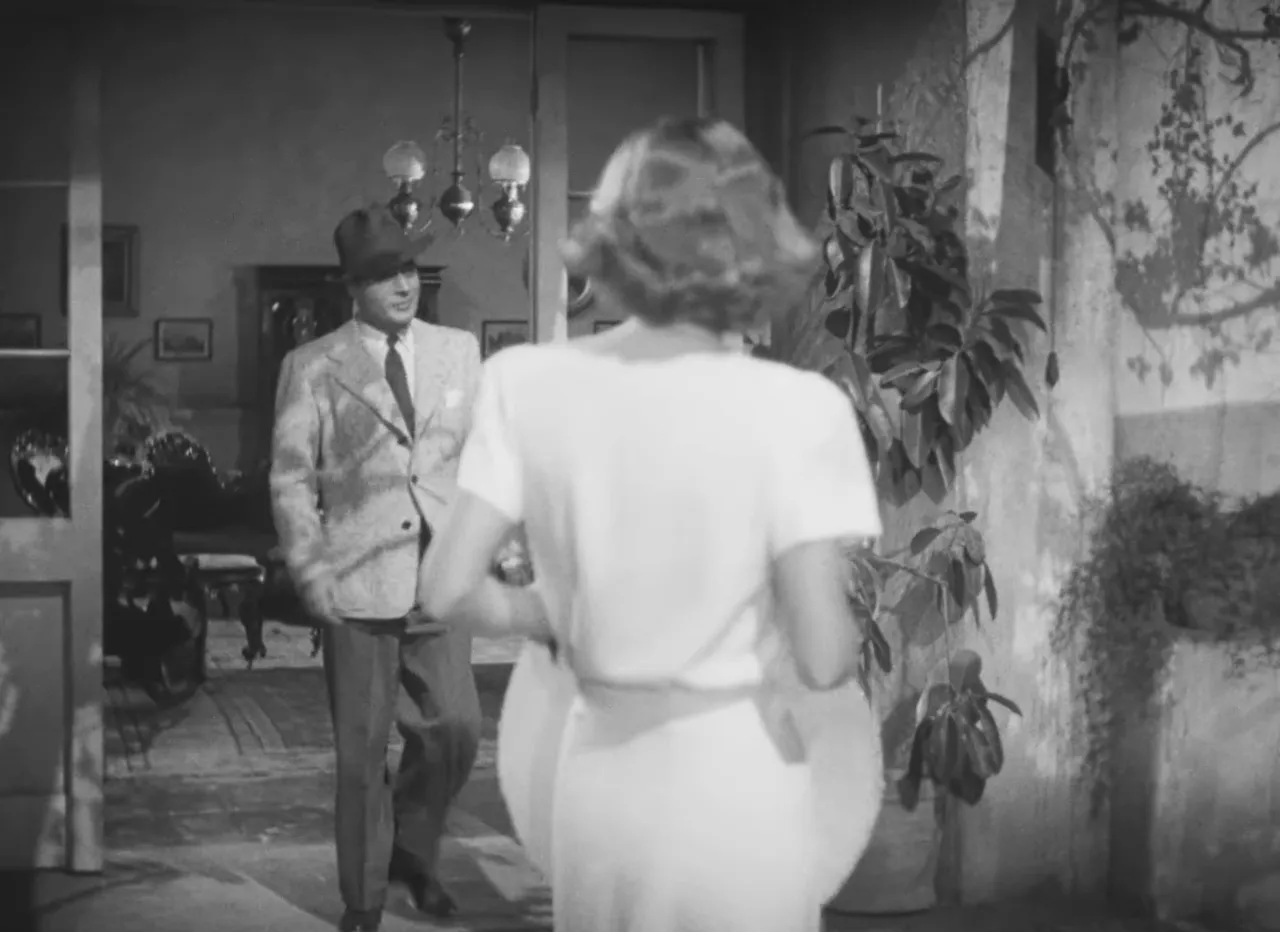
The crux of the melodrama arrives when fate intervenes. On the day of the rendezvous, Terry is struck by a car in New York and is left in critical condition. Doctors cannot determine immediately whether her injuries will leave her permanently paralyzed; a six-month prognosis is required. Terry chooses a path of concealment: rather than inform Michel of the accident and risk being a perceived burden, she opts to let him think she did not appear—an act of self-erasure that is as noble as it is tragic. Michel waits at the appointed place until closing time, then travels to Madeira to learn his grandmother has died. Unaware of Terry’s fate, he continues working in New York. The second act’s crisis reframes the initial romance as an ethical question: who will sacrifice and how will sacrifice be measured?
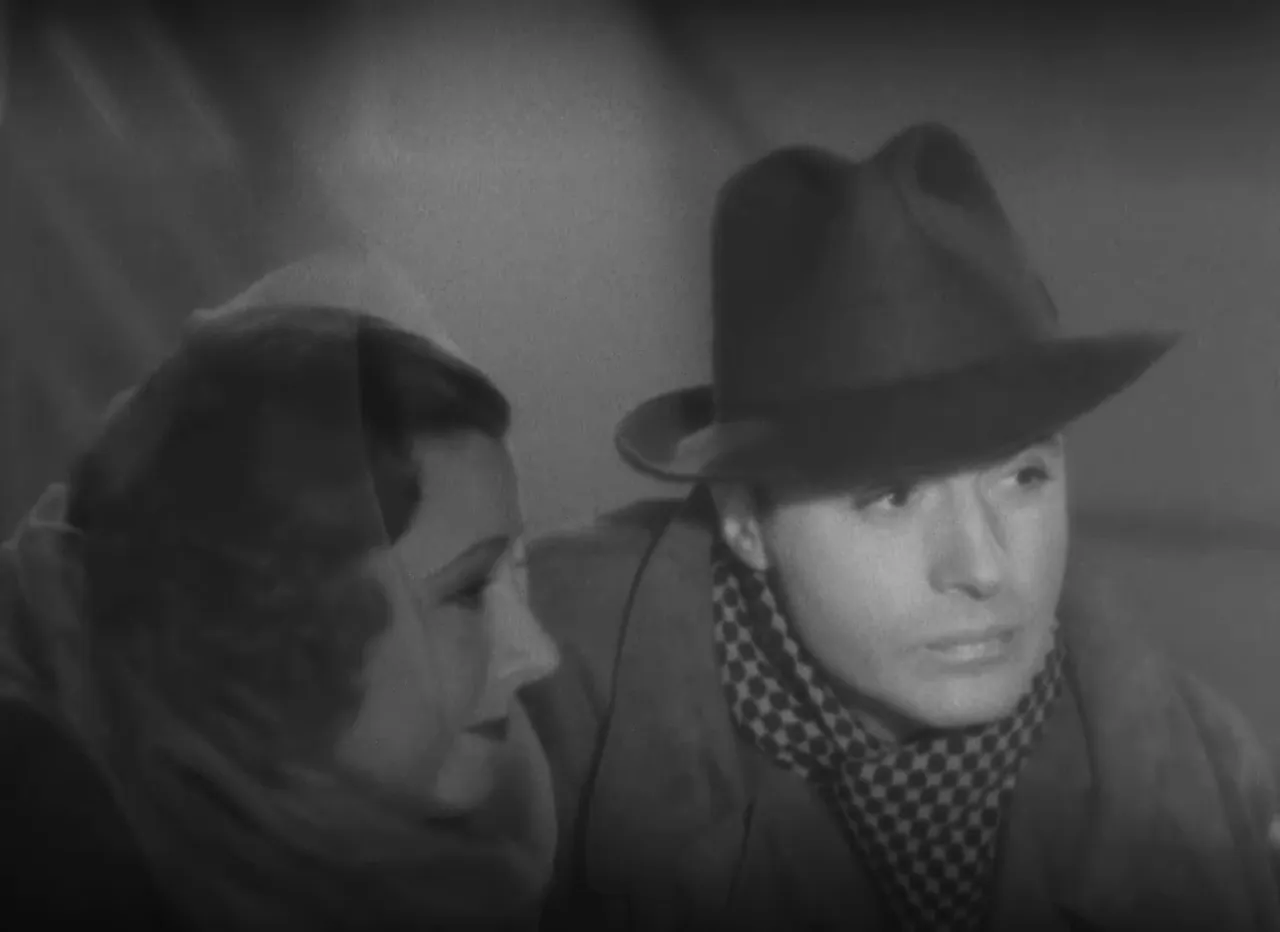
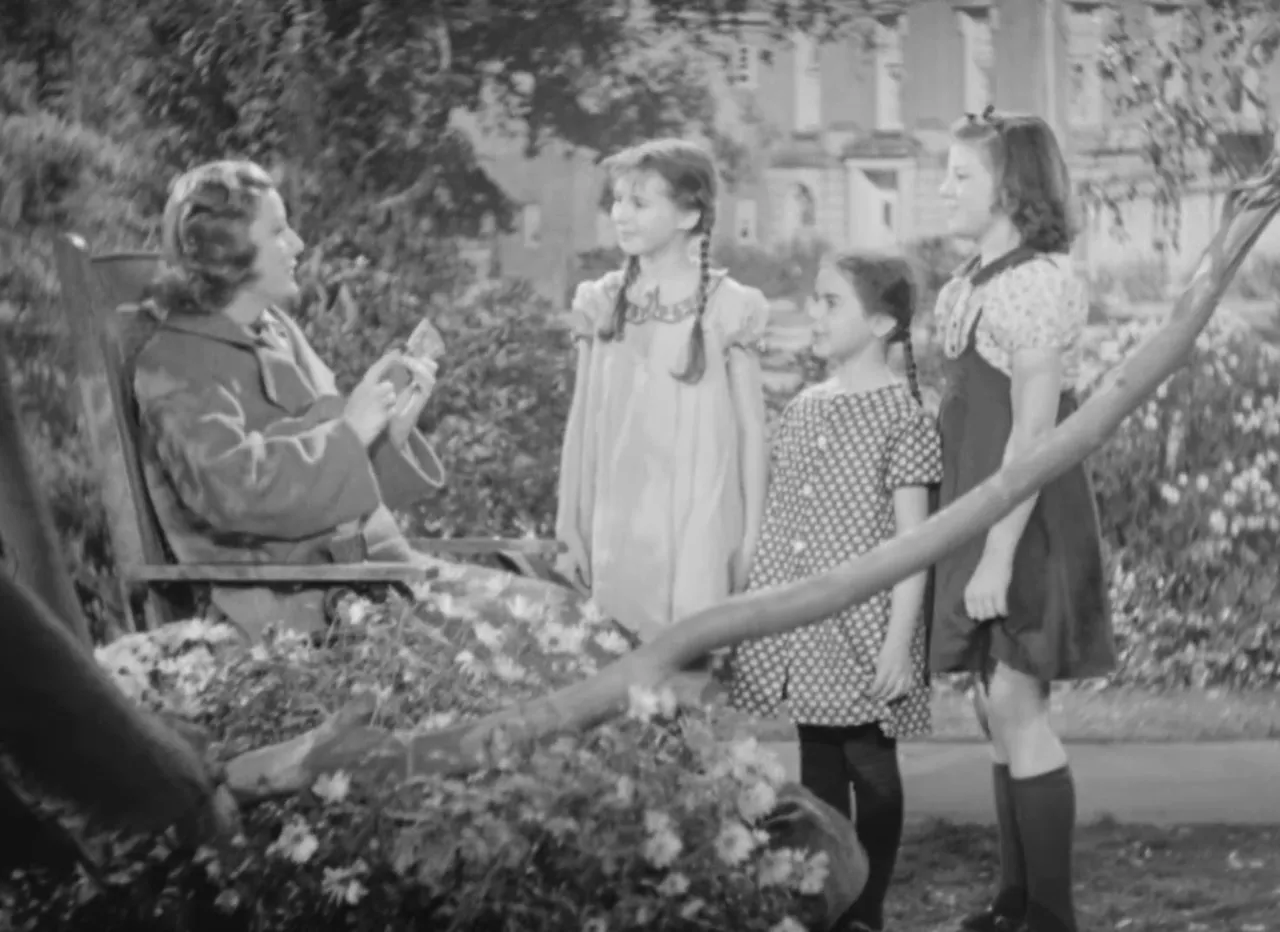
Love Affair resolves its central conflict with a Christmas Eve reunion. Terry, who has been secretly rehabilitating and working as a music teacher at an orphanage, meets Michel by accident in a theater. She conceals her condition from him at first, but when Michel finally learns the truth the next day, the film closes on mutual affirmation: commitment that promises persistence regardless of the medical outcome. The film refuses one-sided moral condemnation; it seeks instead a shared conclusion in which each lover proves their capacity for change.
Main performances and cast synthesis
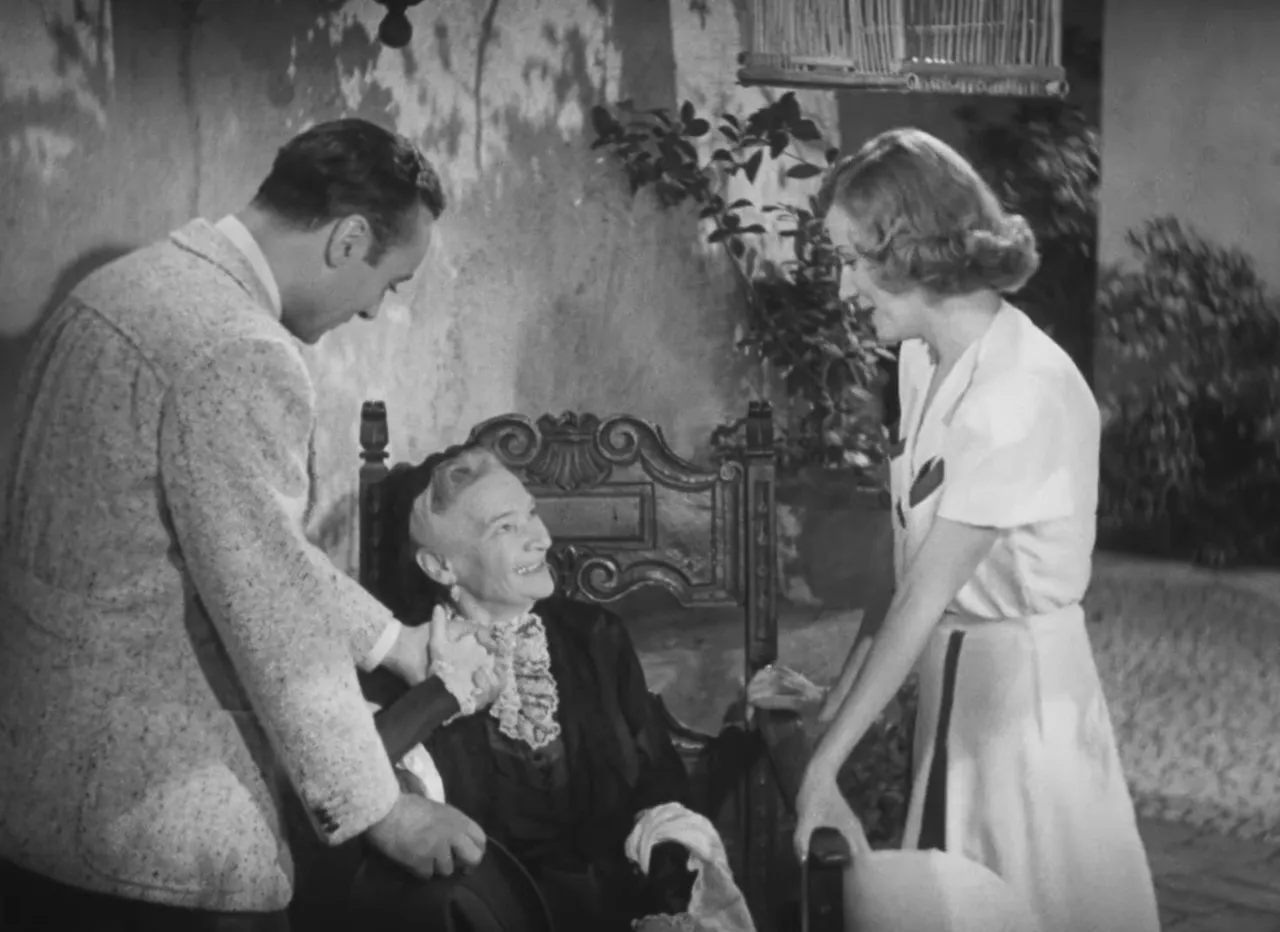
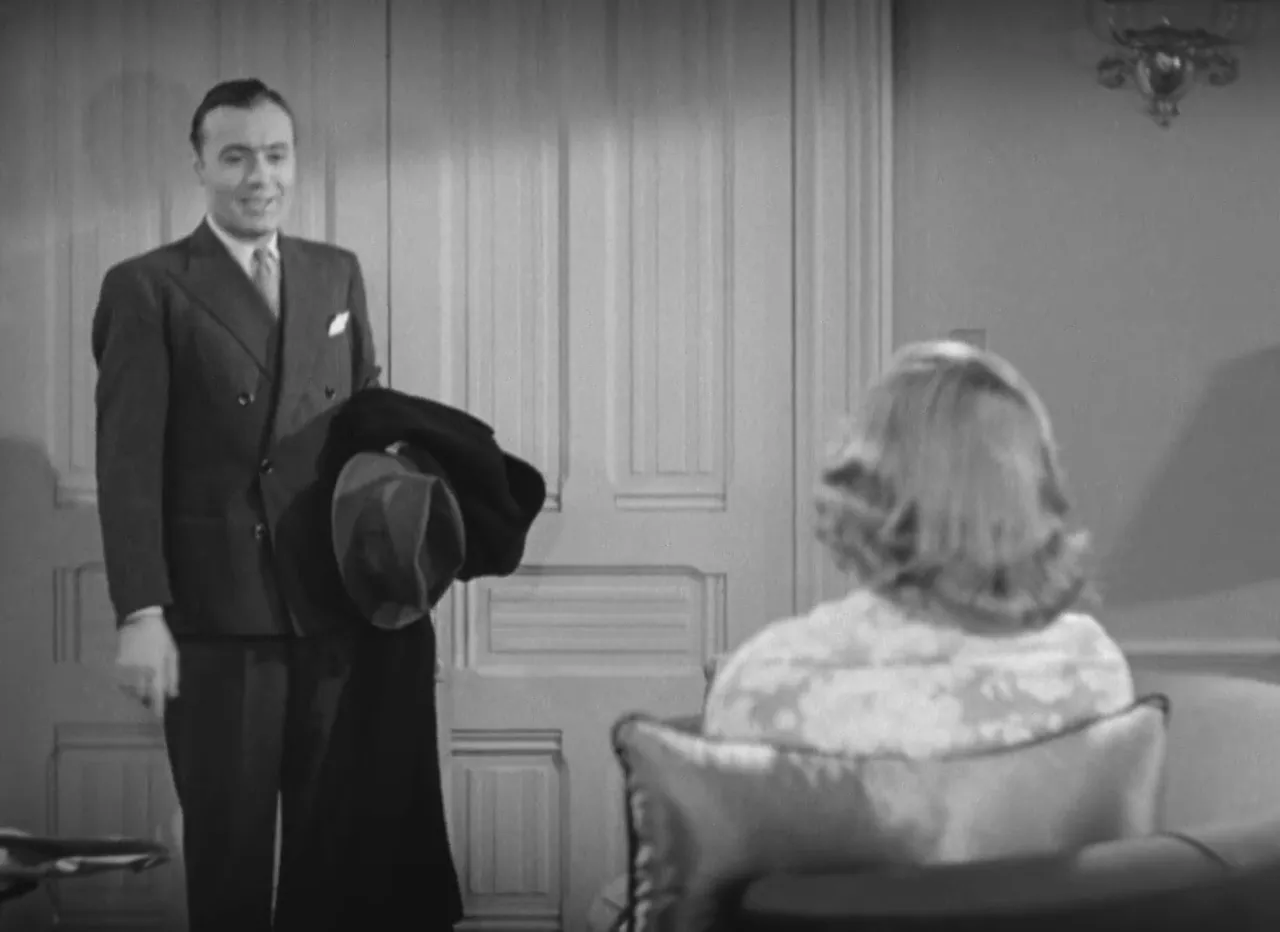
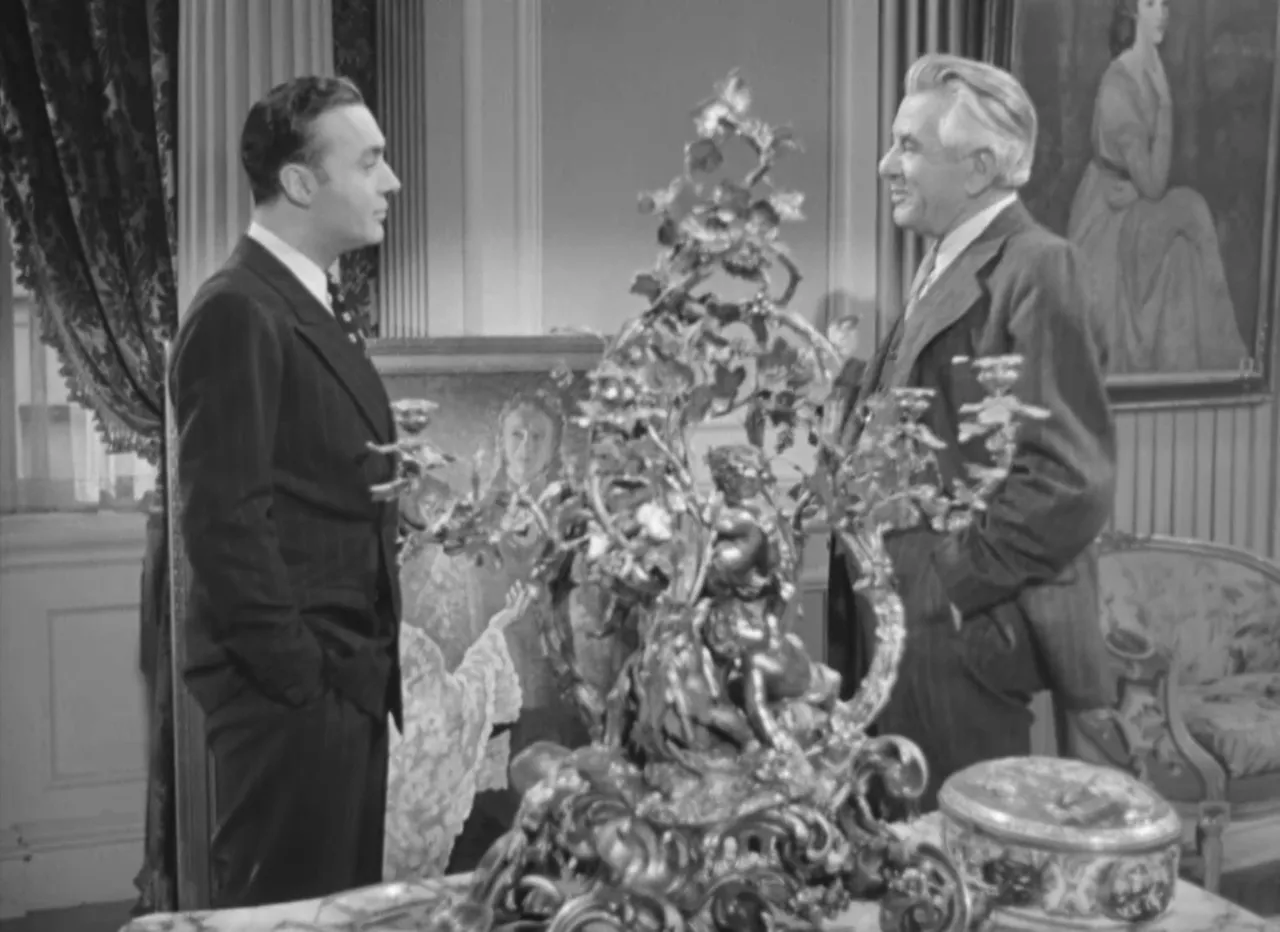
The casting of Irene Dunne as Terry McKay and Charles Boyer as Michel Marnet is decisive to Love Affair’s success. Dunne brings a luminous blend of comic timing, vocal talent and emotional control—qualities McCarey both recognized and exploited. Boyer, famous for his romantic screen persona, tempers Michel’s playboy exterior with vulnerability. Together they create the chemistry that gives the film its pulse. Maria Ouspenskaya’s performance as Grandmother Janou is frequently singled out as scene-stealing; the grandmother functions as both moral arbiter and emotional center, articulating values of patience, memory and familial expectation.
Supporting performances—Lee Bowman as Kenneth Bradley, Astrid Allwyn as Lois Clarke and Maurice Moscovitch as the sympathetic art dealer Cobert—populate the world with credible figures who complicate romantic possibility rather than caricature it. The children from the Robert Mitchell Boys Choir and small-character turns add texture and pathos, particularly in sequences where Terry’s music rewires raw feeling into communal solace.
Leo McCarey's direction and the film's development history
Leo McCarey approached Love Affair as a director who had already made a mark with comedies and screwball sensibilities, yet he sought a tonal expansion. The film’s production history illuminates McCarey’s creative method. The germ of the premise—two passengers falling in love on a cruise while pledged to others—came from a European voyage McCarey took to shake off writer's block. Mildred Cram, Delmer Daves and Donald Ogden Stewart contributed to a screenplay that was frequently rewritten in production, a fact that produced delays and budget overruns. The film’s budget ballooned beyond the planned $800,000, in large part due to McCarey’s improvisatory technique and continuous rewriting on set.
McCarey’s directorial approach—permissive, actor-centered and improvisational—allowed Dunne and Boyer to develop their characters organically. The script’s fluidity created a performance environment in which dialogue changed between takes and small physical choices by actors helped redefine the narrative contour. Boyer was permitted to shape Michel’s representation, advocating for the inclusion of the Madeira grandmother episode to preserve tonal continuity when tragedy was introduced.
Why the film should not be judged as a film noir movie
It is useful to reassert that Love Affair is not a film noir movie. Film noir movies are typically defined by chiaroscuro cinematography, urban fatalism, moral ambiguity in crime-centered narratives, and often cynical narratorial voice. Love Affair lacks the aesthetic and thematic markers of noir; its photographic style and narrative concern are romantic, sentimental and, ultimately, optimistic. To read Love Affair as a film noir movie is to misread its core commitments. Its artful oscillation between comic levity and earnest melodrama is precisely what distances it from noir’s persistent stylistic darkness.
Script dynamics, improvisation, and Production Code controversies
The script for Love Affair was controversial from the start. The Production Code Administration initially found fault with the film’s apparent endorsement of an adulterous liaison, arguing that its moral balance favored the male lead’s redemption while allowing the female lead to escape appropriate narrative punishment. To appease censors, McCarey and his co-writers retooled the screenplay. Their solution was to emphasize contrition, suffering and moral deliberation rather than punishment per se. The plot’s accident sequence—Terry’s car accident and prolonged recovery—operates within this framework, converting an ethics debate into a melodramatic test of character.
Production was marked by improvisation. Documents and eyewitness accounts show that dialogue frequently arrived on scraps of paper between takes; actors often received lines minutes before shooting. This method, championed by McCarey, produced uneven but sometimes miraculous results: sudden moments of truthfulness and intimacy that would not have arisen from rigid adherence to a finished script. It is worth noting that this process also drew criticism for contributing to the film's overrun budget and production delays.
Music, songs, and how "Wishing" anchors the emotion
Music in Love Affair does more than decorate scenes; it provides thematic continuity. Irene Dunne selected the film's signature song, "Wishing," and it became one of 1939’s most popular tunes. The song’s lyrics—about persistent longing and the power of desire—resonate with the film’s narrative structure. The refrain reappears at critical junctures, from shipboard flirtation to the orphanage performances, tying disparate moments together with lyrical insistence.
Other musical pieces—"Sing My Heart" and "Plaisir d'Amour"—are used judiciously to reveal characters' interior lives. Terry’s nightclub numbers demonstrate her professional competence and autonomy, while the use of Plaisir d'Amour at Janou’s home frames the film's nostalgic register. The Robert Mitchell Boys Choir contributes a choral presence during key scenes, embedding the film’s more sentimental moments within communal soundscape rather than isolating them.
Themes: romance, sacrifice, celebrity and moral judgment
Love Affair interrogates modern romance by staging dilemmas that feel both intimate and public. Michel's celebrity is a constant pressure point. Early scenes underscore newspapers and gossip surrounding his arrival, and this external scrutiny shapes the lovers' decisions. The film examines how reputation constrains agency: Michel’s fame compels him to self-scrutiny and performative restraint; Terry’s working-class independence makes her attempt to spare Michel from obligation.
Sacrifice is the film’s ethical cornerstone. Both protagonists undertake actions that require them to forego immediate pleasure for long-term dignity. Terry’s decision to conceal her accident is a sacrificial gesture meant to maintain Michel’s freedom; Michel’s willingness to wait and to change his life is framed as an act of moral conversion. Neither sacrifice is complete or absolute; each is a work in progress, mirroring McCarey’s preference for ambiguous but hopeful resolutions over punitive endings.
The film also poses questions about gender and agency. Terry is far from a passive ingénue. She makes career decisions, negotiates contracts, breaks her engagement and chooses where and how to live her life. The accident complicates her agency but does not wholly extinguish it: she becomes an active instructor at the orphanage and demonstrates resilience. The film thus balances romantic idealism with grounded representations of personal growth.
Critical reception, awards, and legacy
Upon release, Love Affair received warm critical attention. Reviewers praised McCarey’s tonal balancing act and the chemistry of the lead pair. The New York Times lauded the film’s ability to shift credibly between lightness and gravity, and many contemporary critics saw it as a contender for major awards. The film received multiple Academy Award nominations, including Best Actress for Irene Dunne and Best Supporting Actress for Maria Ouspenskaya, as well as nominations for Best Original Song, Best Writing (Original), Art Direction and Outstanding Production.
Despite its accolades and popularity—RKO’s second-most popular film after Gunga Din—Love Affair's cultural profile was later overshadowed by McCarey’s 1957 remake, An Affair to Remember. That remake, starring Cary Grant and Deborah Kerr, achieved greater popular notoriety and entered the canon of romantic nostalgia. As a result, Love Affair became, in some circles, a historical curiosity rather than a first-order classic. Critical reassessments in later decades, however, restored appreciation for the original’s subtleties, improvisational textures and emotional intelligence.
On the question of moral judgment and censorship
The film’s initial run-in with the Production Code Administration is historically informative. Censors feared that the love between a married or engaged man and woman would endorse immoral conduct. McCarey and his collaborators navigated this by reframing the story: rather than celebrating an adulterous tryst, the film emphasizes moral deliberation, contrition and the emotional costs of desire. The result is a film that dramatizes ethical complexity without succumbing to punitive melodrama. In doing so, it avoids the cynicism associated with a film noir movie and offers a compassionate alternative.
Remakes, adaptations, and influence
Love Affair’s narrative core proved durable. McCarey himself remade the film in 1957 as An Affair to Remember, recasting the leads with Cary Grant and Deborah Kerr. That version entered popular imagination to a degree that eclipsed the 1939 original. The story's appeal also prompted a 1994 remake with Warren Beatty and Annette Bening and several Indian adaptations. Radio adaptations in the 1940s further disseminated the story. Rather than diminishing Love Affair’s value, these remakes and adaptations underscore the screenplay’s enduring power—the ability to shape longing, ethical stakes and fate into a story that audiences revisit across generations.
Yet despite its remakes, Love Affair deserves independent critical attention. It is not merely a prototype for An Affair to Remember; it is a film in its own right with distinct rhythms, performances and historical context. The improvisatory production methods and the film's mixture of comedy and poignancy mark it as emblematic of late 1930s Hollywood’s capacity to mingle popular taste with formal invention.
Restoration, public domain and availability
Love Affair entered the public domain in the United States in 1967, which paradoxically aided its availability even as it limited the circulation of high-quality prints. For decades, most versions in circulation were inferior 16mm or low-resolution transfers. In recent years institutional efforts restored the film from archival elements. A 4K restoration created from prints in the Museum of Modern Art’s archives brought much-needed clarity and preservation. The Criterion Collection released this restoration on Blu-ray and DVD, offering audiences a chance to reassess the film with the visual fidelity it deserves.
Technical achievements and visual style
Although Love Affair does not subscribe to the visual grammar of a film noir movie, it employs studio cinematography and art direction with subtlety. Van Nest Polglase and Al Herman’s art direction was notable enough to garner an Academy Award nomination. The film’s photographic choices favor naturalistic lighting for intimate scenes and wider, more painterly compositions that complement Michel's identity as an artist. McCarey’s camera frequently lingers on human faces and small gestures; his refusal to stylize the mise-en-scène into melodramatic excess underlines the performers' emotional truth.
Why Love Affair still matters to classic cinema enthusiasts
For the classic cinema enthusiast, Love Affair offers a case study in how Hollywood negotiated the transition from 1930s screwball rhythms to mature melodrama. It demonstrates how a director known for comedy could produce a film of deep emotional resonance without betraying his comic instincts. The performances of Dunne and Boyer are exemplary: Dunne’s sturdy humanity avoids mawkishness; Boyer’s restraint keeps Michel’s vanity watchful but not incurable. Maria Ouspenskaya’s grandmother is a model of how a single supporting role can stabilize a film’s moral center.
Moreover, Love Affair is important because it shows how improvisation and collaborative actor-director dynamics can yield cinematic gold. McCarey’s willingness to revise and adapt in production may have been costly, but it also created a film that captures moments of spontaneous tenderness. For critics and historians, the production history is a valuable lens on classical-era filmmaking practices.
Comparative note: Love Affair and the film noir movie legacy
It is tempting in modern film criticism to group classic films under broad labels such as film noir movie, romantic melodrama, screwball comedy or social realism. Love Affair resists reductive categorization. It is not a film noir movie in aesthetics or intent; rather, it is an artful hybrid that mixes light and shade, comedy and sorrow. Where film noir movies foreground urban alienation and moral dissolution, Love Affair foregrounds ethical choice and human reparation. The film’s optimism—conditional, hard-won—differs markedly from noir’s fatalism. Yet discussing Love Affair within the vocabulary of a film noir movie remains a useful exercise because it clarifies what Love Affair is not, and in doing so, highlights the film’s own commitments.
Enduring questions for modern viewers and cinephiles
- How does celebrity shape romantic possibility? Love Affair stages fame as a social constraint that both seduces and penalizes. Michel’s reputation makes private love a public spectacle, and the characters’ strategies—avoidance, concealment, dramatic promises—are responses to that pressure.
- What are the ethics of sacrifice in romance? Terry’s decision to become invisible in Michel’s life raises unsettling moral questions. Is self-effacement noble or unnecessarily punitive?
- How should modern viewers assess improvised filming methods? McCarey’s on-set revisions create moments of truth but also introduce uneven pacing. Are such trade-offs worth the spontaneity they yield?
- How do remakes alter a film’s cultural legacy? An Affair to Remember overshadowed Love Affair, but the original remains essential for understanding the story’s genesis and early performance strategies.
Final critical appraisal
Love Affair is a film of quiet moral ambitions. It negotiates desire and duty, fame and privacy, hope and suffering without ever succumbing to facile sentimentality. Its improvisational production reflects both director Leo McCarey’s mercurial genius and the production era’s flexible creative processes. Irene Dunne and Charles Boyer deliver performances that remain moving for their understatement and for the way they modulate public charm and private longing.
For the classic cinema critic, Love Affair is worthy of repeated study. It is not a film noir movie and the distinction matters; to call it so would erase its central commitments to humanistic optimism. Yet the film’s complexity—its tonal shifts, its negotiation with censorship, its embrace of improvisation—makes it a rich object for analysis. It holds up as a key artifact of 1939, a year widely regarded as Hollywood’s annus mirabilis, and deserves to be encountered on its own terms rather than as a historical footnote to later, more famous remakes.
Viewed today, especially in newly restored prints, Love Affair reveals itself as a finely tuned balance of skillful acting, humane storytelling and formal risk-taking. It may not fit the visual grammar or existential mood of a film noir movie. Instead, it offers an alternative model: romantic cinema that trusts the audience’s capacity for compassion and invites them to consider what it means to change. That commitment is why Love Affair endures and why cinephiles, historians and critics still return to it as a film that both exemplifies and expands the possibilities of classical Hollywood romance.