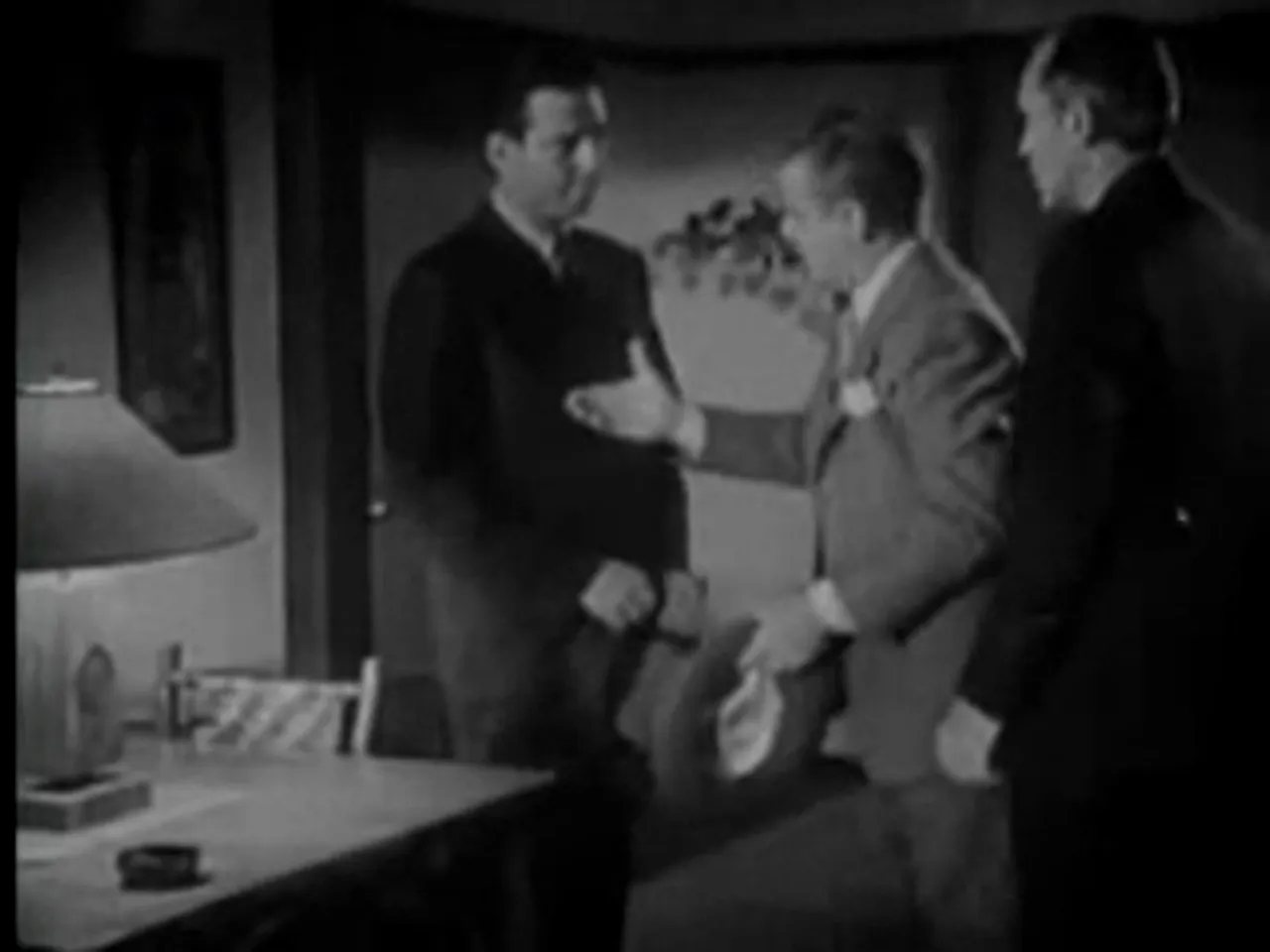
As a film noir movie and wartime spy thriller, Blood on the Sun arrives with the clipped urgency of a newspaper lead and the moral restlessness of a world on the brink. Directed by Frank Lloyd and headlined by James Cagney, this 1945 picture mixes journalistic bravado, political skulduggery, and personal sacrifice into a compact, muscular 94 minutes. The story hinges on a single incendiary document, the so called Tanaka Memorial, and the chain of greed, loyalty, and violence that follows its discovery. It is a film noir movie in spirit, even where it borrows the mechanisms of spy melodrama, and it remains an instructive example of how Hollywood turned wartime anxieties into sharp, interrogative cinema.
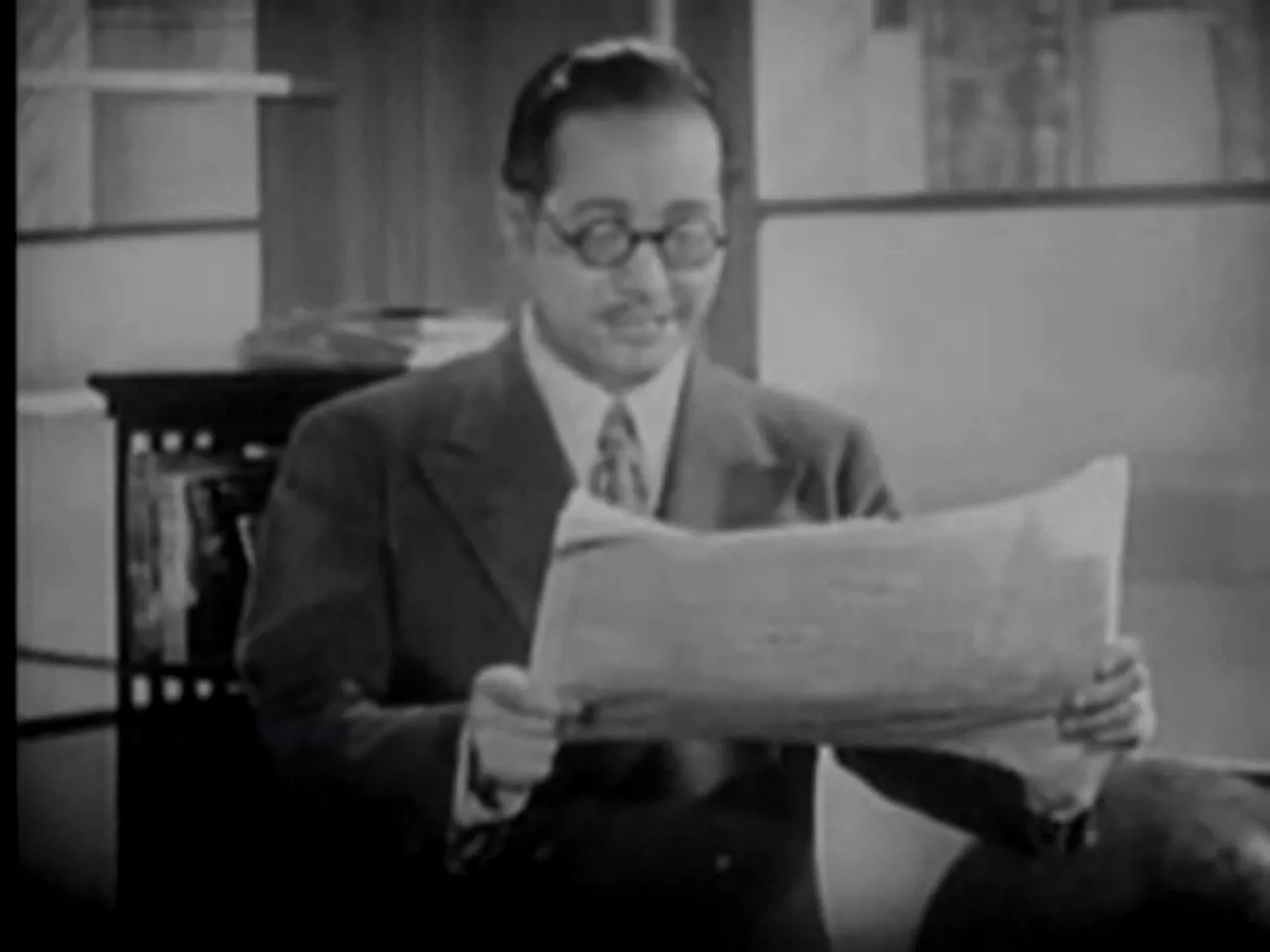
Why Blood on the Sun matters
Blood on the Sun is notable on several counts. On the factual plane it is a wartime artifact: it dramatizes the alleged Tanaka Memorial, a document supposedly detailing a Japanese plan for expansion that was widely discussed during the 1930s. On the craft plane, it won the Academy Award for Best Art Direction for a black and white film, a distinction that underlines how the film used production design to create claustrophobic power spaces and public arenas alike. On the screen, James Cagney brings his trademark volatility and canny charisma to the role of Nick Condon, an expatriate editor who becomes the unwilling guardian of a piece of evidence that can alter the course of nations. In short, the film works at once as a political thriller and as a film noir movie about individual defiance against institutional menace.
Credits and the creative team
The film credits read like a compact statement of muscle. Directed by Frank Lloyd, Blood on the Sun was produced under William Cagney Productions, with Garrett Fort and Lester Cole credited as writers. The cinematography by Theodor Sparkuhl and the score by Miklós Rózsa combine to produce a taut, atmospheric line that supports Cagney's forceful lead. The cast includes Sylvia Sidney as the conflicted Iris Hilliard and Porter Hall among others. It was distributed by United Artists and released in the spring and summer of 1945, a time when global politics and popular cinema were deeply entangled.
Plot overview: journalism, rumor, and murder
At its narrative heart, Blood on the Sun is a chase for truth that pivots from rumor to mortal danger. The inciting incident is deceptively simple. A provocative headline in the Tokyo Chronicle claims that if Japan wants to control China, the United States must be crushed, echoing the imperial ambitions the so called Tanaka Memorial is alleged to advocate. The story draws the attention of Japanese authorities and invites threats. A confrontation at the Chronicle office sets the terms: the paper is pressured to produce sources or be punished by censorship.
Ollie Miller, a reporter who has obtained an original copy of the Tanaka Memorial, becomes the immediate focus. He is flamboyant and careless with the money he receives to smuggle the plan out of Japan. When he flaunts his windfall in public, the payment becomes a signal. An informant spots Ollie in a bar, and the machinery of secret police is set in motion. The next sequence is brutal and compact: Ollie and his wife are murdered, their cabin is ransacked, and the copy of the document vanishes into the labyrinth of competing interests. Before Ollie dies, however, he slips his surviving copy to Nick Condon, the Chronicle editor, who hides it behind an enraved portrait of the Emperor in his own home.
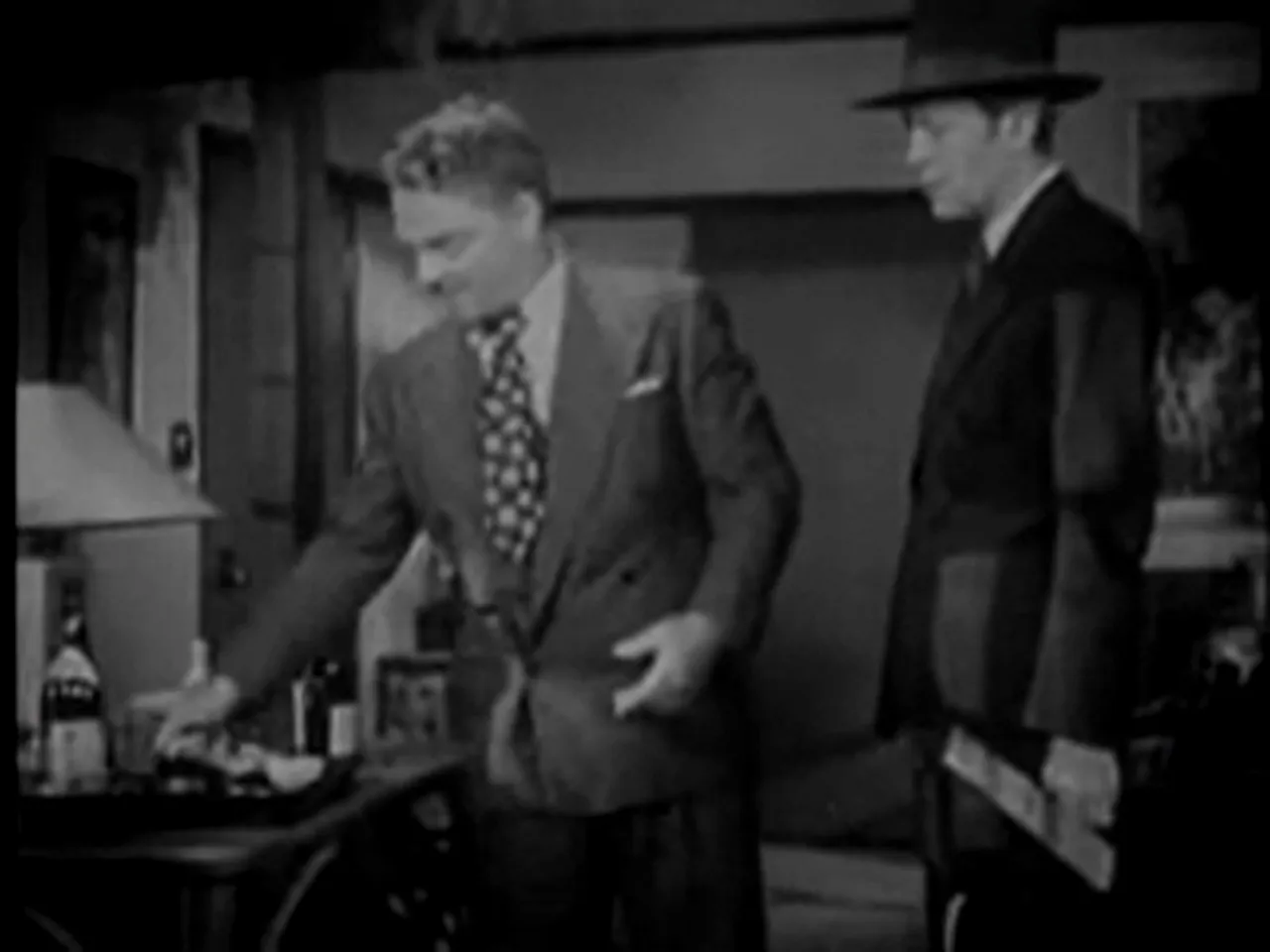
Blood on the Sun then moves through a series of interrogations, betrayals, and high stakes bargains. The Japanese secret police, led by Captain Oshima, fabricate a humiliating story about Condon to discredit him and to hide the fact that they failed to obtain the document. Condon is roughed up, his house searched, and he is pressed to reveal the source. He refuses to hand over what he knows. At the same time, Baron Tanaka personally invites Condon to his home and attempts to buy the document back, a maneuver that reveals the political weight attached to the plan and to the control of the narrative.
A meeting that makes the stakes personal
In the course of these power plays, Condon meets Iris Hilliard, a woman with mixed heritage whose loyalties are ambiguous. She reads as if she might be both the betrayer and the betrayed, a classic film noir movie figure who oscillates between seduction and moral clarity. She is later revealed to have been sent to entrap Condon by Tanaka, yet her inner convictions align with Japan's anti militarist liberals. When the document finally surfaces, they attempt to authenticate it with the signature of Prince Tatsugi, a liberal who would risk everything to record his dissent. The effort requires personal sacrifice. Tatsugi is murdered by the secret police while signing, and Condon is shot fighting outside the embassy, though he manages, miraculously, to keep the document hidden and out of reach of those who would brand it a forgery.
Characters and performances: what the actors bring
James Cagney's Nick Condon anchors the film with combustible energy. Cagney was a performer known for inhabiting roles that combined intelligence and a rough, mercenary charm. As the expatriate editor, Cagney gives Condon a moral center without making him pristine. He is irascible, witty, and at his best when forced to choose between personal safety and public duty. His decisions are not always heroic in the abstract, but they are grounded in a professional ethic, the kind of loyalty that defines the old school newspaperman.
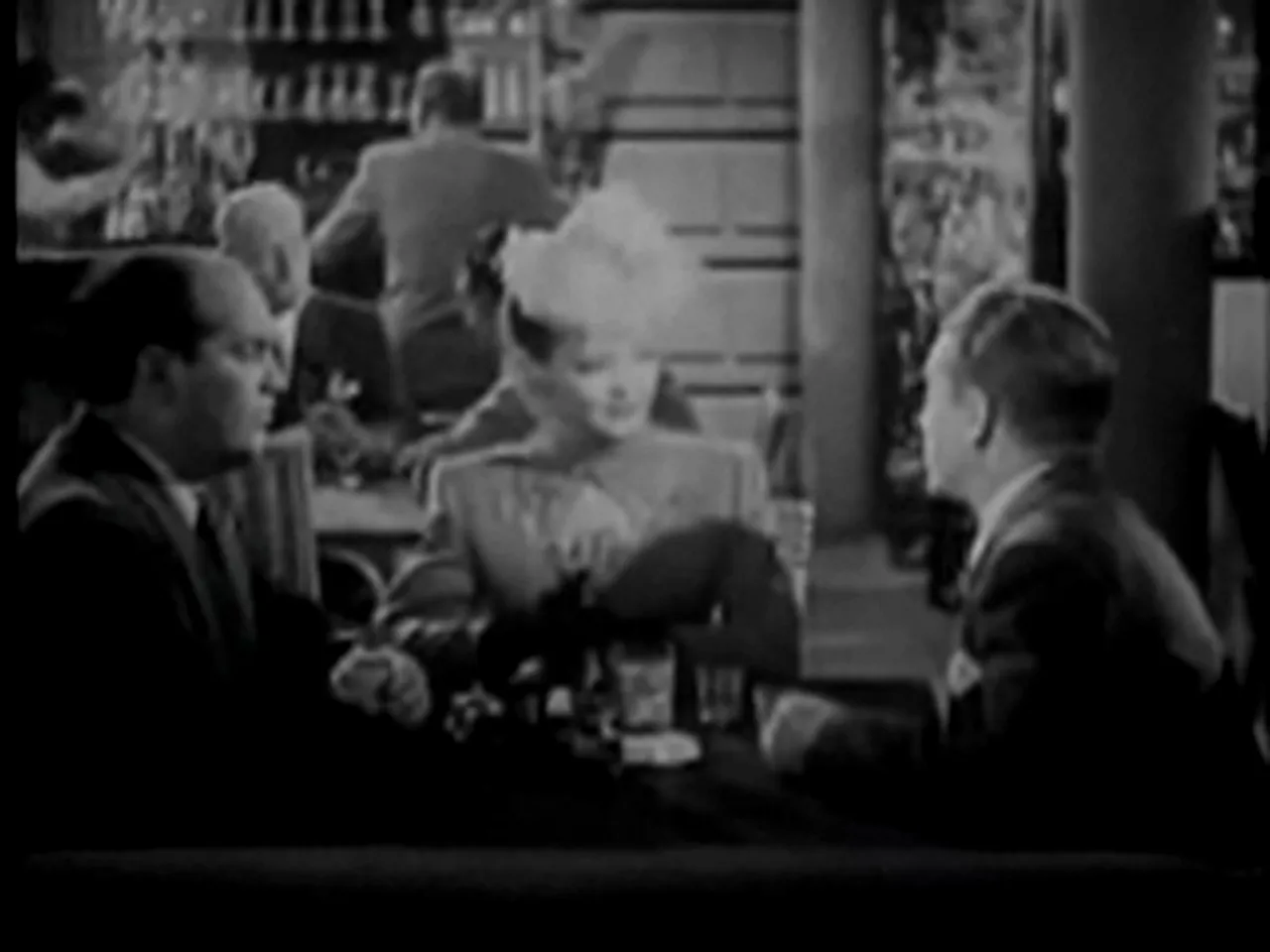
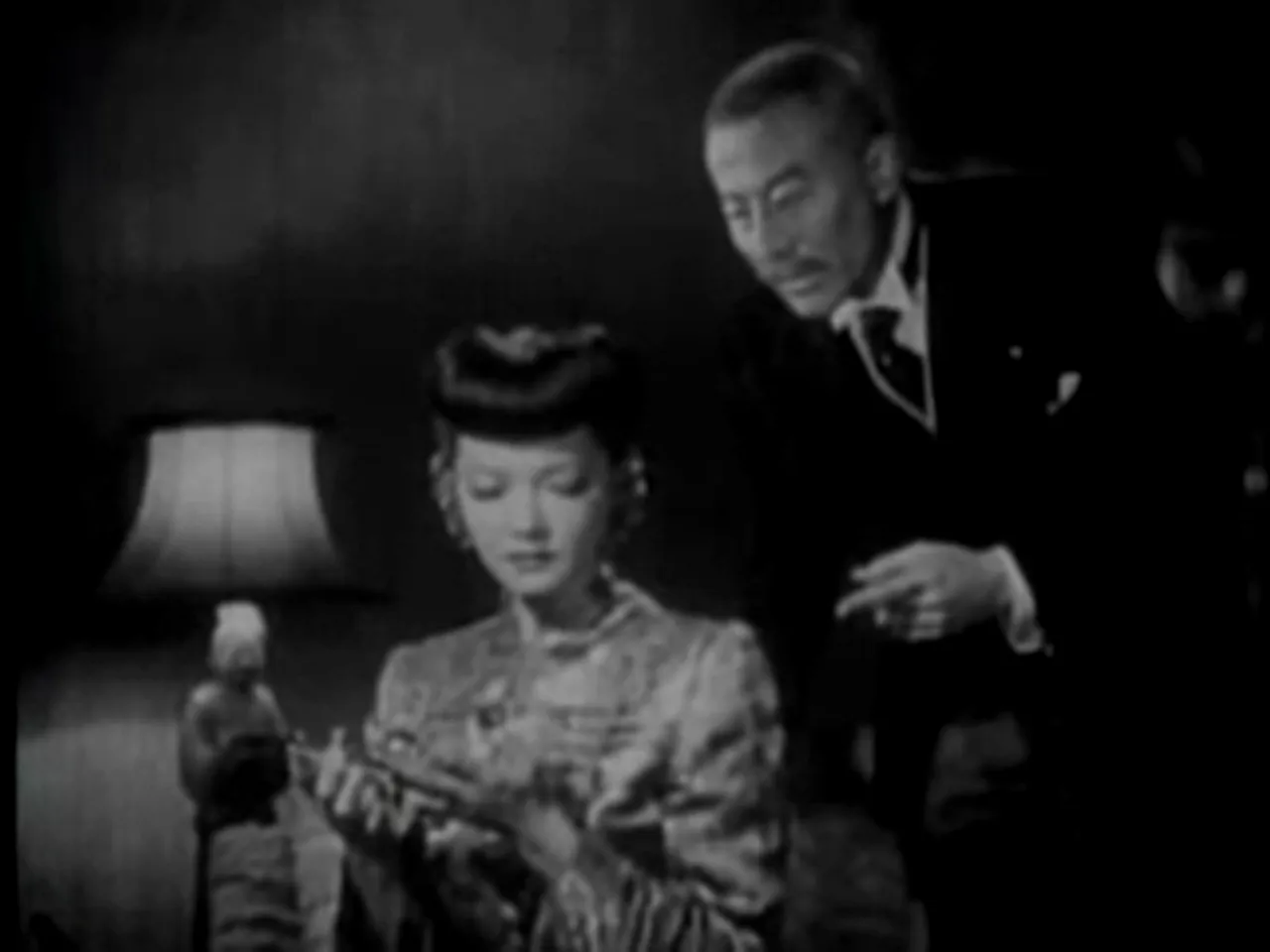
Sylvia Sidney as Iris Hilliard is shaded and complex. Iris is the film's intimate conscience, a figure with divided loyalties who chooses moral clarity over blind obedience. Her performances reads as a progressive, even radical, allegiance to human freedom that transcends nationalistic illusions. Iris's identity—a mixture of Chinese and other ancestries—becomes pivotal. That background positions her as a bridge between occupied peoples and imperial ambitions; she is the human counterweight to bureaucratic calculations. The role gives Sidney room to suggest inner conflict, romantic longing, and a steadiness of purpose that ultimately defines the film's emotional core.
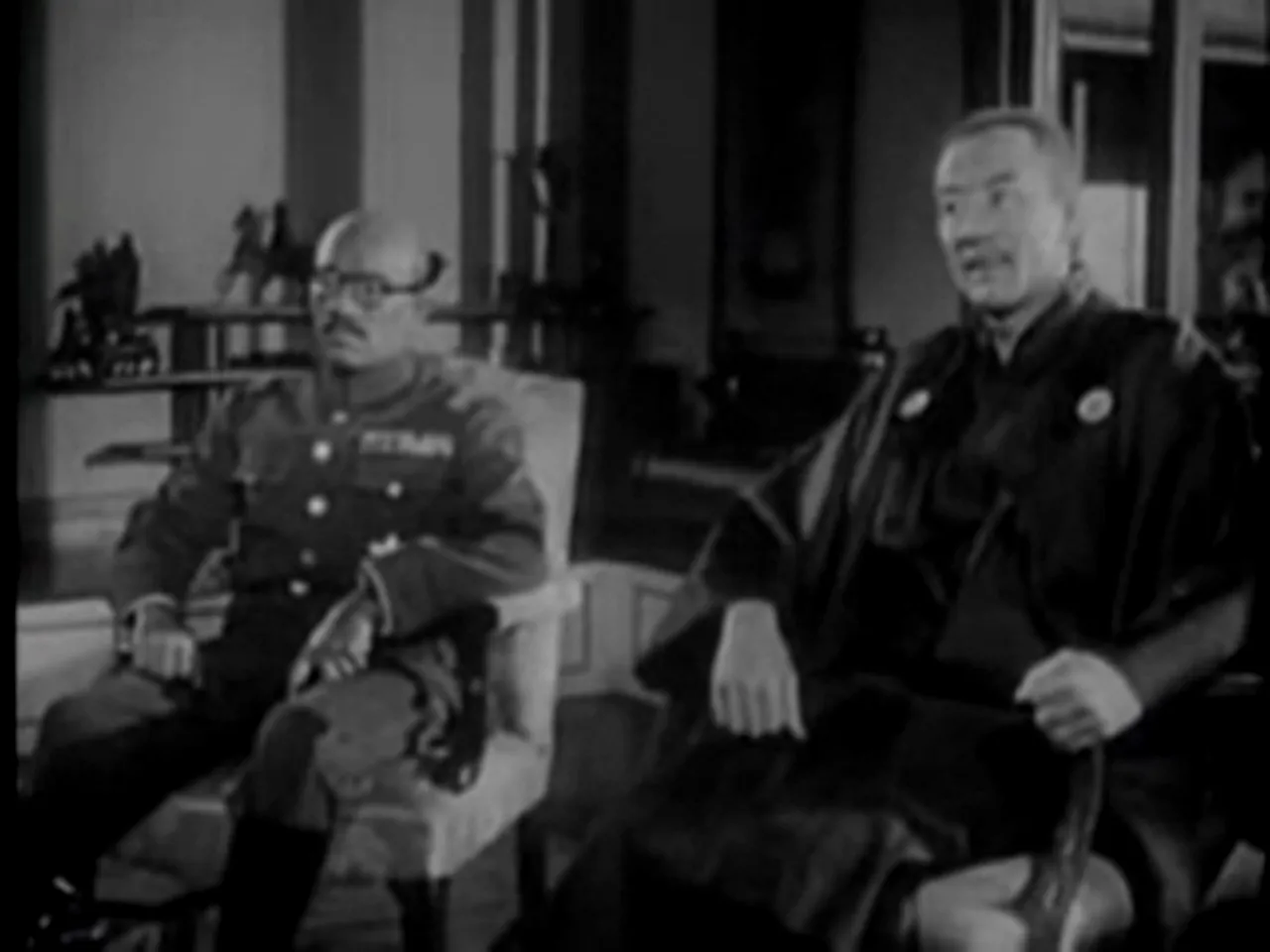
Supporting players add textured color. Porter Hall, John Emery portraying Baron Tanaka, and Robert Armstrong as Colonel Hideki Tojo fill out the power apparatus. Wallace Ford as Ollie Miller provides a short but crucial presence whose vanity and recklessness trigger the central chain of events. The cast, on balance, supports a narrative that is as much about information and its control as it is about fists and blood.
Production design, cinematography, and music
Blood on the Sun won the Academy Award for Best Art Direction in the black and white category, credited to Wiard Ihnen and A. Roland Fields. The prize was well earned. The film uses sets that oscillate between cramped newsroom alleys and stately diplomatic interiors, a contrast that reinforces its political dialectic: public rumor vs private machinery. The production design creates the optical ground for a film noir movie ambience, with rooms that can suffocate or visually echo the list of threats that cluster around a single piece of paper.
Theodor Sparkuhl's cinematography supplies the chiaroscuro necessary for a film noir movie sensibility. Sharp edges, pockets of shadow, and decisive framing mark many scenes. There is a physicality to the visuals—windows, portraits, and empty hallways become narrative props. The portrait of the Emperor, a frequent anchor for menacing shots, is both a symbol and a shield. Miklós Rózsa's score undergirds the action with atmospherics that guide the audience through suspense without betraying sentimentality.
Historical context and the Tanaka Memorial
Blood on the Sun is grounded in the charged history of the alleged Tanaka Memorial. In the film's fictional history, the Tanaka Memorial is a 1929 plan proposing a step by step path to conquer Asia and ultimately to confront the United States. Whether the document was genuine is not the film's primary preoccupation. Instead, it dramatizes the consequences of such an idea being believed and the lengths which governments and shadow forces will go to control the story. The movie stages a war of information long before modern media punditry made that phrase commonplace.
The film turns this single rumor into a moral test. Characters choose between comfortable cynicism and perilous conviction. The stakes are no longer merely national; they are human. It is that human dimension that transforms the political into the personal and that situates Blood on the Sun within the radar of a film noir movie's interest in compromised protagonists and fatal consequences.
Plot mechanics as noir moves
Many elements align the film to film noir movie strategies. The central MacGuffin—the Tanaka Memorial—functions like a classical noir object, a source of desire and a cause of destruction. The protagonist is a skilled but imperfect man who must pursue a truth that cost others their lives. The leading female character is ambivalent and morally porous in the way noir heroines often are, yet Iris is given a latitude of conscience that grants her eventual heroism. The plot unfolds through deception, bribery, and fatal violence—all hallmarks of the noir idiom.
Where the film diverges from pure noir is its geopolitical scale. Noir is often urban and private, drawing its tension from interpersonal crimes and psychological damage. Blood on the Sun pushes beyond to political consequences that threaten global conflict. Still, the film's mood, its skeptical attitude toward institutions, and its insistence on individual resourcefulness and sacrifice keep it squarely within the moral orbit of the film noir movie tradition.
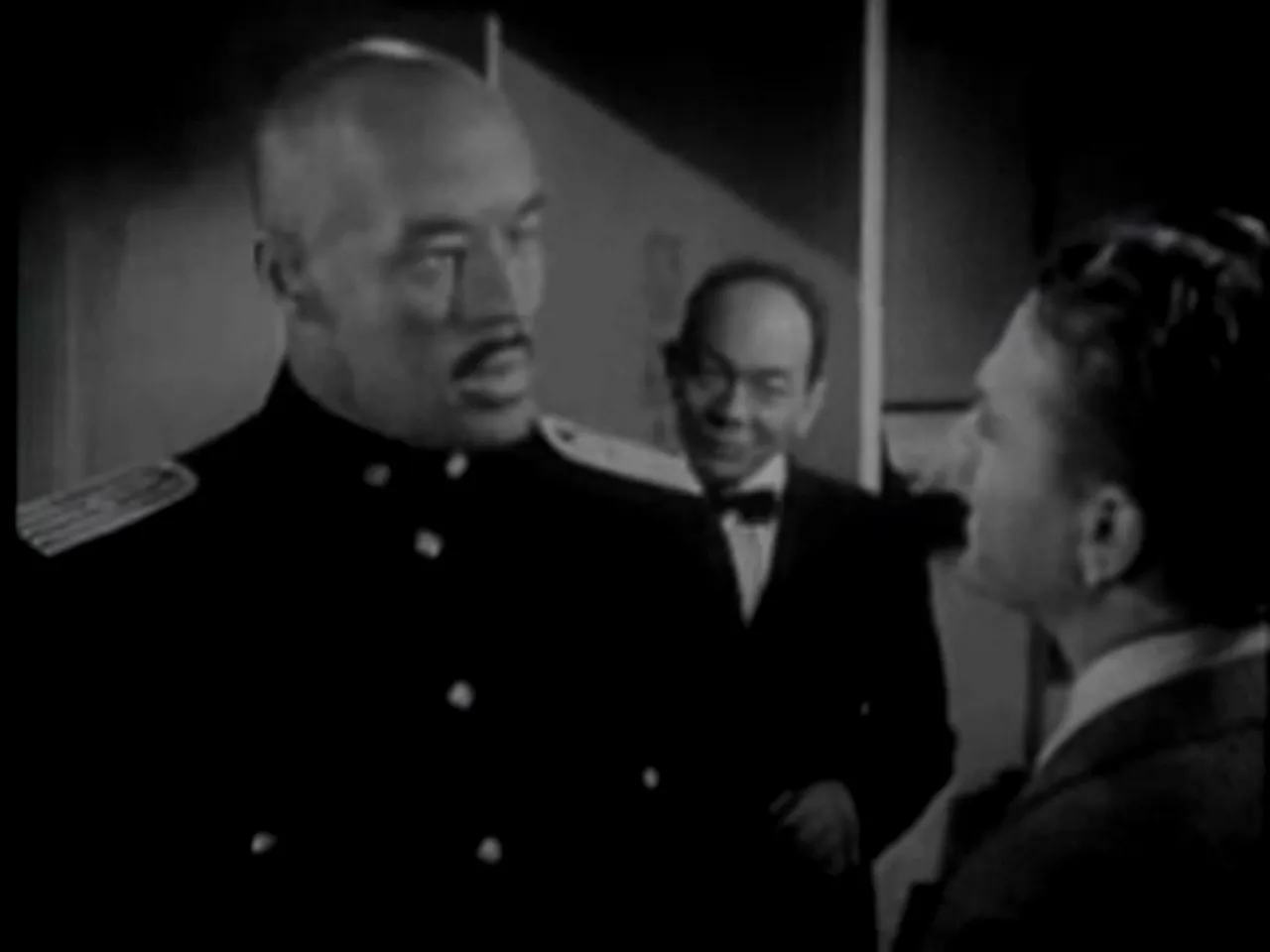
Release, reception, and box office
Blood on the Sun premiered on May 2, 1945, at the United Artists Theatre in San Francisco. The timing was deliberate. The premiere coincided with the World Security Conference during which the United Nations was founded. Several hundred delegates attended, and the film opened to a receptive wartime audience. It broke box office records at its opening: grossing $13,213 in its first four days at a single theater, $3,000 more than any previous film at that house, and $20,605 by the end of its first week. Its overall box office take reached $3.4 million on a budget reported at $750,000, a sizeable success for the production company.
The film was shown in special screenings for U.S. troops serving in the Pacific theater, including Okinawa and Iwo Jima, ahead of its general release. This distribution choice treated the film as more than entertainment; it was wartime reassurance and political messaging. Whether as a propaganda adjunct or as a reflection of legitimate political concerns, it was a film that resonated with its contemporary public.
Adaptations, cultural footprint, and the public domain
Blood on the Sun enjoyed a life beyond the screen. It was adapted for radio on programs such as Lux Radio Theater and Academy Award Theater with prominent leads reprising or reinterpreting their roles. Its legacy, however, was complicated by the film's entry into the public domain in 1973 after a lapse in copyright renewal. That status produced a flood of budget releases of varying quality. For several decades the film circulated in inferior transfers, often with missing footage. Later efforts, including a colorized version and multiple DVD releases, attempted to restore and preserve the film in better image and audio conditions.
The public domain status made the film widely available but also diluted the availability of high quality prints. For film historians and enthusiasts, that has been a mixed blessing: easy access to a historically important film but difficulty in finding pristine, uncut versions without jitter or missing scenes.
Physicality on screen: judo and staging of combat
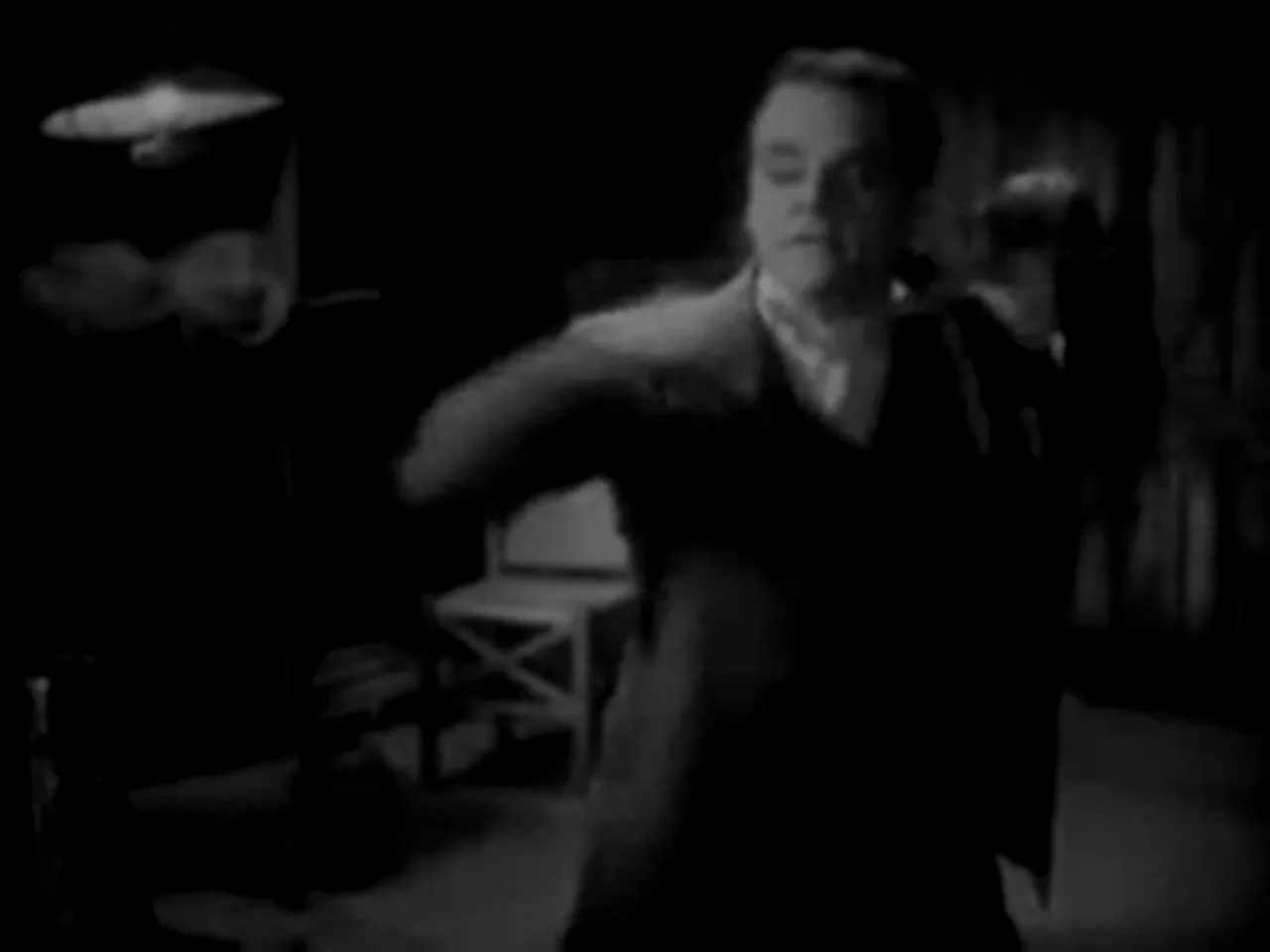
One technical curiosity of Blood on the Sun was its inclusion of authentic judo sequences and an actual judo expert in the cast. Los Angeles policeman Jack Sergel, who later adopted the stage name John Halloran, taught James Cagney several moves for the film. Halloran appears in the film as Cagney's opponent in a memorable fight scene outside a railway dock. The inclusion of staged, realistic grappling sequences adds a physical credibility to the film's final confrontations and anticipates later Hollywood interest in martial choreography.
Critical reading: Blood on the Sun as a film noir movie and political thriller
A critic approaching Blood on the Sun must negotiate dual identities. It is, on one hand, a political thriller and, on the other, a film noir movie in temperament. The film's noir traits are mostly atmospheric and ethical. Its characters inhabit a world where institutions can be as deadly as lone assassins. Its moral logic elevates protest and conscience over cynical collaboration. The film also uses the newsroom as a central moral space. The Chronicle is not merely a backdrop; it is the site where rumor and responsibility collide. Condon's profession structures his ethical choices. As a newsman, he understands that a story can reshape a public's perception and that withholding information is a form of power.
The film stresses transparency versus secrecy. The Tanaka Memorial, whether genuine or forged, becomes a test for publics: will they be lied to by those in power, or will truth shine through by the sacrifices of a few? In presentational terms, Blood on the Sun adopts noir devices—venetian shadowing, urban interiors, fedora soft light—but it repurposes them for a political argument. That repurposing enhances the film's potency and distinguishes it from pure genre exercises.
On tone and urgency
As a film noir movie the film rarely indulges in existential monologues. Instead, it moves briskly in the idiom of wartime cinema. Its urgency is narrative: the document must be moved, validated, or protected, and each delay invites death. The screenplay compresses complex geopolitical issues into actionable scenes: meetings at elite salons, secret police ransacks, betrayals at docks, and the quiet courage of a single signature. The result is a lean, effective piece of filmmaking that trades philosophic rumination for moral decision points.
The moral spine: fidelity, sacrifice, and the final lines
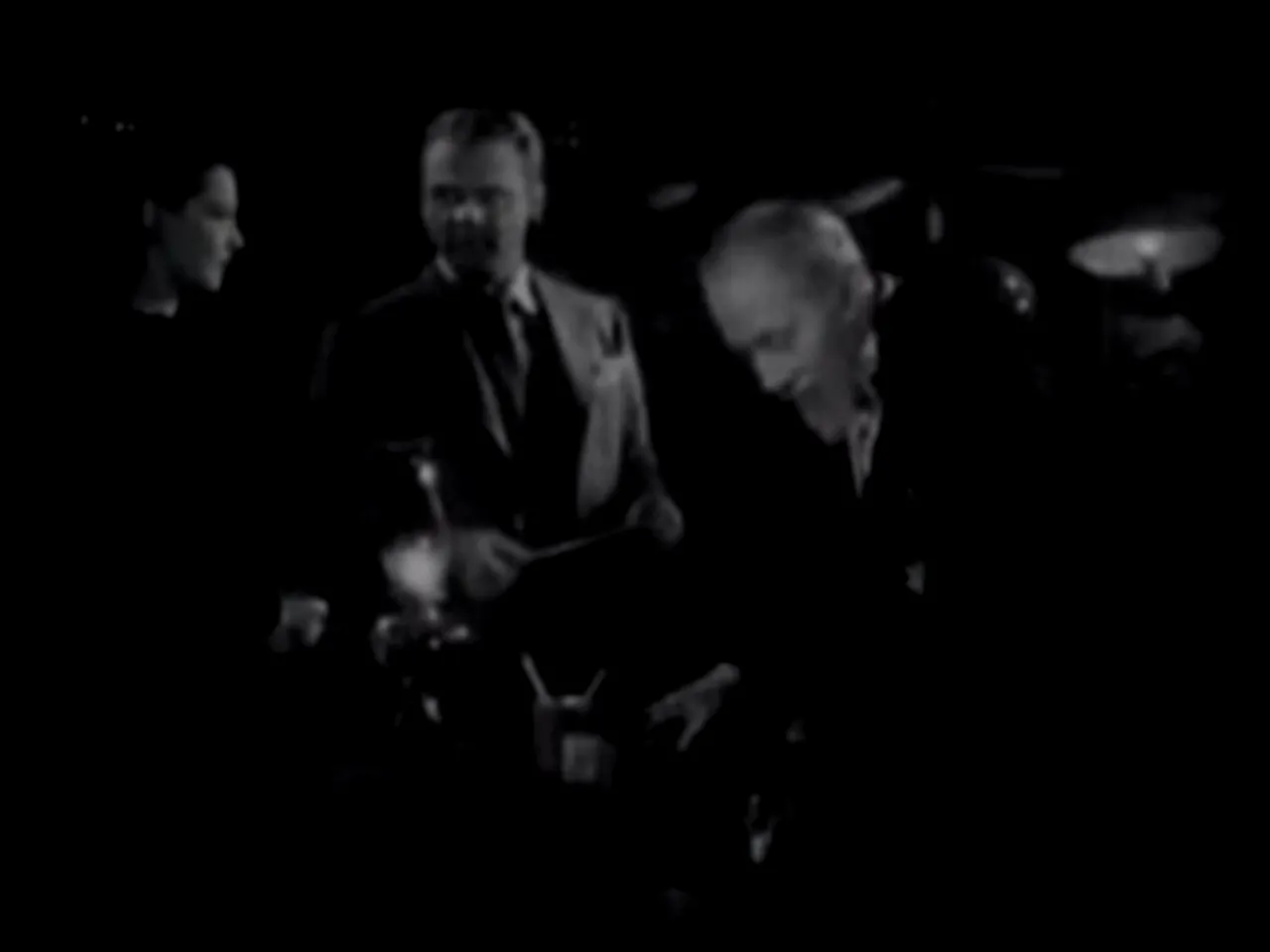
The film's moral architecture is straightforward and uncompromising. It honors those who act to stop militaristic triumphalism even at personal cost. The film’s moral pivot is Iris Hilliard and the comeback of Prince Tatsugi. Tatsugi's willingness to sign the document is a last stand for liberal values, and his murder enacts the film's bleak view of the cost of dissent under a militarized regime. Yet the film refuses to be purely bleak. Its conclusion emphasizes endurance and retribution in equal measure. When the head of the secret police requests forgiveness, Nick Condon retorts with a line that crystallizes the film's ethos: "Sure, forgive your enemies – but first, get even!"
Legacy and why modern viewers should watch
Blood on the Sun remains of interest for both the historical moment it captures and for how it interprets that moment through genre. Modern viewers will find its pace brisk, its moral stakes clear, and its performances robust. The film documents a particular wartime anxiety about information and infiltration, and in doing so, it offers a cinematic case study of propaganda, rumor, and the contested authority over truth.
As a film noir movie, its interest is in how private courage can puncture public lies. Its principal lesson is that institutions can be both protector and predator. The film credits, its Academy Award, and its box office success show it was a film that spoke to contemporaries. For present day viewers, it offers not only period drama but also a reminder that cinematic techniques of suspense and shadow can illuminate political stakes.
Cast and principal credits
- James Cagney as Nick Condon
- Sylvia Sidney as Iris Hilliard
- Porter Hall as Arthur Bickett
- John Emery as Premier Giichi Tanaka
- Robert Armstrong as Colonel Hideki Tojo
- Wallace Ford as Ollie Miller
- Rosemary DeCamp as Edith Miller
- John Halloran as Captain Oshima
- Leonard Strong as Hijikata
- James Bell as Charley Sprague
- Marvin Miller as Yamada
- Rhys Williams as Joseph Cassell
- Frank Puglia as Prince Tatsugi
Technical details and release facts
Running time 94 minutes. Country of origin United States. Language English. Budget estimated at $750,000 and box office receipts near $3.4 million. The film premiered on May 2, 1945, in San Francisco and opened widely thereafter. The Oscar for Best Art Direction confirms the production's craft ambition, and the wartime screenings for military audiences emphasize the cultural weight of the film's narrative.
Preservation, public domain, and home media
In 1973 Blood on the Sun entered the public domain in the United States when its copyright was not renewed. That status produced many budget home video editions, often of inferior quality and sometimes missing footage. Subsequent restorations and transfers, including a colorized treatment and licensed transfers from studios and libraries, attempted to restore the film to a more faithful visual standard. The film's availability in multiple formats makes it easy to find for study, but cinephiles should seek out the best available source for a version that preserves the crispness of Sparkuhl's cinematography and the integrity of the editing.
Concluding verdict: a film noir movie with a point
Blood on the Sun is an accomplished work that uses the tools of genre to make an urgent political argument. It is a film noir movie in mood, with a noirish protagonist who must navigate a labyrinth of deceit. It is also a wartime thriller that dramatizes the perilous interplay between propaganda and power. The film's strengths lie in its relentless plotting, Cagney's galvanic presence, Sidney's moral steadiness, and production values that earned a deserved Academy Award.
Viewed today, Blood on the Sun endures as a reminder that cinema can be both entertainment and interrogation. It asks its audience to consider the cost of silence, the price of speaking out, and the ways in which rumors can be made lethal when they collide with state aims. That blend of spectacle and ethics gives the film a continued relevance and makes it essential viewing for anyone interested in the intersection of politics, journalism, and classic Hollywood craft.
Selected memorable lines and scenes
"The name of the traitor is the American press." — a line that exposes the film's obsession with the power of the press and the perceived threat in truth being told.
"Sure, forgive your enemies – but first, get even!" — the film's mordant closing line that underlines the movie's insistence that justice is not sentimental and that retribution follows betrayal.
Recommended viewing approach
To get the most from Blood on the Sun, viewers should watch it with an awareness of its dual identity. Treat it as a film noir movie in spirit and a militant wartime thriller in argument. Pay attention to how the physical staging—portraits, docks, newsroom interiors—works with the dialogue to create layers of meaning. Notice how production design and camera choices create a sense of surveillance and suffocation, and how the film's pace favors action sequences that pivot around tiny details: a ruby ring, a folded memorandum, a signature in ink. Finally, observe the film as an artifact of 1945 sensibilities, when Hollywood was both shaping and reflecting public anxieties about global power.
For classic cinema enthusiasts trying to build a more nuanced understanding of mid 1940s genre cinema, Blood on the Sun rewards repeated viewings. It can be read as a straightforward moral adventure, as a commentary on how power manipulates narrative, and as a film noir movie built on the uneasy ethics of wartime information. Those reading the film attentively will find its cinematic construction both compact and complex, and its moral questions resonant long after the final scene fades.